Common Mistakes to Avoid in Pipeline Girth Welding
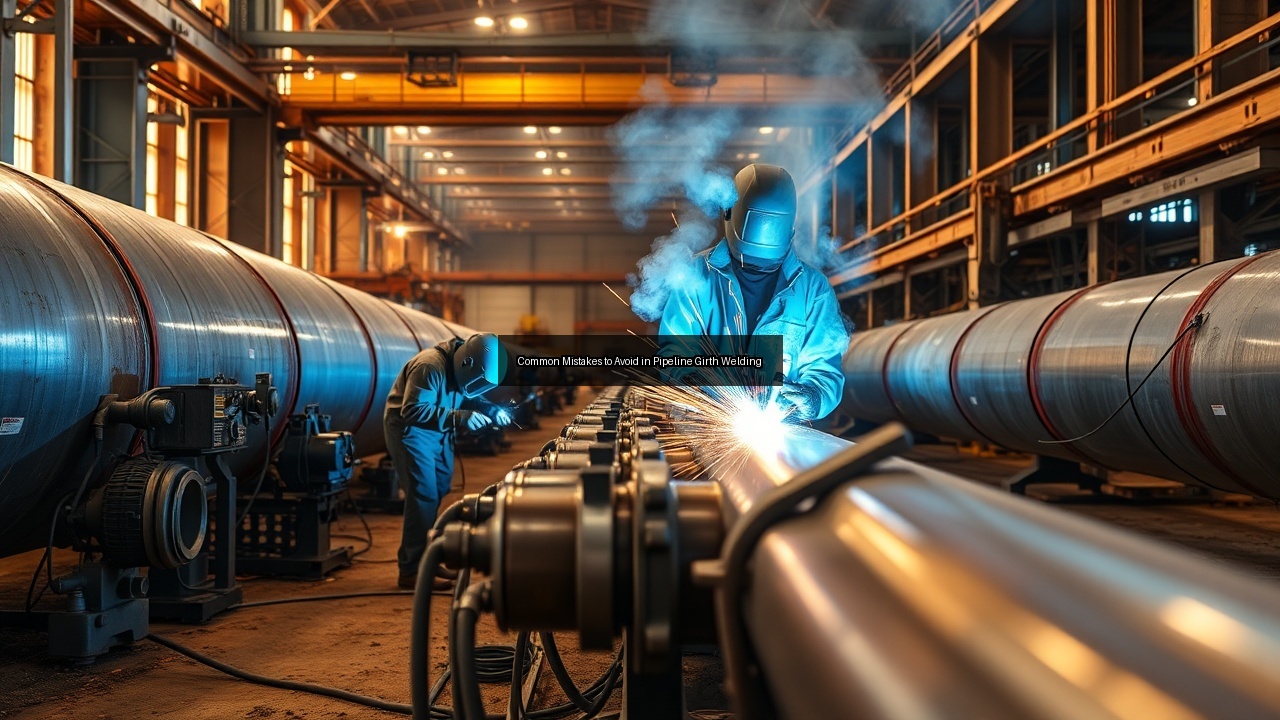
Crucial Considerations in Pipeline Girth Welding
Understanding Girth Welds and Their Applications
Girth welds represent a crucial aspect of pipeline construction, forming the joints that connect individual pipe sections. These welds ensure the structural integrity and operational effectiveness of pipelines used for transporting various substances, including water, oil, and gas. The design of girth welds must accommodate the unique stresses experienced by pipelines, such as thermal expansion and pressure fluctuations. Proper execution of girth welds directly impacts the pipeline's longevity and reliability.
Understanding the applications of girth welds is essential for welders and engineers alike. In oil and gas industries, for instance, girth welds must withstand corrosive environments, necessitating the use of corrosion-resistant materials like stainless steel. In contrast, plastic pipelines may require different welding techniques to ensure compatibility with the materials' unique properties. Each application demands careful consideration of factors like weldability, strength, and environmental conditions to achieve optimal results.
The Importance of Weldability in Different Materials
Weldability refers to a material's ability to be welded without compromising its integrity. Different materials exhibit varying levels of weldability, significantly influencing the choice of welding methods and techniques in girth welding. For example, stainless steel offers excellent corrosion resistance but can be challenging to weld due to its tendency to warp under heat. Understanding the weldability of materials helps ensure that welders use appropriate techniques and settings to minimize defects.
Materials like carbon steel and certain plastics possess distinct welding characteristics that affect their performance in girth weld applications. Utilizing the right filler materials and pre-welding treatments can enhance weldability, leading to stronger, more reliable joints. Welders must also consider factors such as the thickness of the materials and the welding position, which can significantly impact the quality of the final weld. This knowledge helps in selecting suitable welding methods and parameters to achieve the desired results.
Temperature Management During Welding Processes
Temperature management plays a pivotal role in the success of pipeline girth welding. Different welding processes generate varying amounts of heat, which can affect the material properties of the welded sections. Maintaining an optimal temperature during welding helps prevent issues such as warping, cracking, and distortion of the weld and the base materials. Welders must monitor and control the heat input throughout the welding process, ensuring that the temperature remains within acceptable limits.
Preheating materials before welding can also help mitigate thermal stresses, especially in thicker pipes or when working with materials that have low weldability. Moreover, post-weld heat treatments can further relieve residual stresses and enhance the strength of the weld. Adhering to recommended temperature settings and using appropriate cooling methods after welding can significantly improve the durability and performance of girth welds in pipelines.
Common Pitfalls in Girth Weld Procedures
Neglecting Proper Welding Inspection
Welding inspection is essential for ensuring the quality and integrity of girth welds. Neglecting this vital step can lead to undetected defects that compromise the strength and safety of the pipeline. Regular weld inspection helps identify issues such as porosity, cracks, and inadequate penetration, which can develop during the welding process. Welders must be diligent in adhering to inspection protocols to catch these problems early.
Common inspection methods include visual inspections and more advanced techniques like ultrasonic testing and radiographic inspection. Each method serves a specific purpose and aids in evaluating different aspects of the weld quality. For instance, visual inspections can quickly reveal surface defects, while ultrasonic testing provides insights into internal flaws. Implementing a comprehensive inspection strategy that incorporates multiple methods ensures thorough evaluation and adherence to industry standards.
Overlooking the Role of Non-Destructive Testing
Non-destructive testing (NDT) plays a crucial role in girth weld inspection and quality assurance. NDT methods allow for the examination of welds without causing damage, making it possible to assess weld integrity while keeping the pipeline operational. Techniques such as ultrasonic and magnetic particle testing can detect subsurface flaws that visual inspections might miss. Failing to incorporate NDT into the welding process can lead to severe consequences, including pipeline failures and costly repairs.
Implementing a robust NDT program enhances the reliability of girth welds and builds confidence in the pipeline's performance. Regular training for welders on NDT techniques is essential to ensure accurate assessments. By prioritizing NDT in the welding process, construction teams can significantly reduce the risk of catastrophic failures and enhance the overall safety and reliability of the pipeline infrastructure.
Ignoring Material Compatibility and Corrosion Resistance
Material compatibility is a critical consideration in girth welding. Using incompatible materials can lead to weld defects and compromised strength, ultimately affecting the pipeline's performance. For instance, combining dissimilar metals without proper precautions can result in galvanic corrosion, weakening the weld over time. Welders must carefully select materials that work well together and possess similar thermal expansion properties to avoid these issues.
Corrosion resistance is another vital factor, especially for pipelines transporting corrosive substances. Selecting materials with inherent corrosion resistance, such as stainless steel or specially coated metals, can significantly enhance the lifespan of the pipeline. Additionally, implementing protective measures, such as corrosion inhibitors and coatings, helps maintain the integrity of girth welds over time. Understanding the interplay between material compatibility and corrosion resistance is key to ensuring the long-term durability of pipeline girth welds.
Techniques to Enhance Girth Weld Quality
Utilizing Ultrasonic Testing for Weld Inspection
Ultrasonic testing (UT) stands out as a highly effective method for assessing the quality of girth welds. This non-destructive testing technique uses high-frequency sound waves to detect internal flaws within the weld, providing detailed insights into its integrity. UT can identify issues such as voids, inclusions, and lack of fusion, which can compromise the strength of the weld. By incorporating ultrasonic testing into the girth weld inspection process, teams can enhance the reliability of pipeline construction.
Moreover, ultrasonic testing offers the advantage of being able to assess welds in real-time. Welders can perform inspections during and after the welding process, allowing for immediate adjustments if defects are detected. This proactive approach helps minimize costly rework and ensures that only high-quality welds are accepted. Regular training in ultrasonic testing techniques for welders and inspectors further enhances the effectiveness of this method, contributing to improved girth weld quality across pipeline projects.
Exploring Friction Stir Welding for Improved Strength
Friction stir welding (FSW) presents a promising alternative for enhancing the strength of girth welds in pipelines. This solid-state welding process generates heat through mechanical friction, leading to a robust joint without melting the base materials. FSW is particularly advantageous for pipelines made from materials with low weldability, such as certain plastics or aluminum alloys. By avoiding the melting stage, FSW reduces the risk of defects commonly associated with traditional welding methods.
Incorporating friction stir welding into girth welding procedures can yield significant benefits, including improved mechanical properties, reduced distortion, and enhanced corrosion resistance. The process allows for precise control over the heat input, making it easier to tailor the weld's characteristics to specific material requirements. As the industry continues to evolve, exploring innovative welding methods like FSW will play a crucial role in advancing the quality and performance of pipeline girth welds.
Best Practices for Ensuring Weld Integrity in Pipeline Construction
Implementing best practices in girth welding is essential for ensuring the integrity of pipelines. First and foremost, welders should undergo comprehensive training to master various welding techniques and understand the materials they work with. Adhering to industry standards and guidelines, such as those set forth by organizations like the American Welding Society (AWS), provides a solid foundation for quality welding practices.
Regular maintenance of welding equipment is also critical. Ensuring that machines are calibrated correctly and in good working condition reduces the likelihood of defects during the welding process. Additionally, conducting routine inspections of the welding environment, including temperature and humidity levels, helps minimize external factors that could affect weld quality.
Finally, fostering a culture of quality within the construction team encourages open communication and accountability. Encouraging feedback from welders and inspectors alike promotes continuous improvement and raises awareness of potential issues. By prioritizing these best practices, pipeline construction teams can significantly enhance the quality and reliability of girth welds, ensuring the long-term success of their projects.