Essential Tools for Calibrating Your Diesel Level Gauge
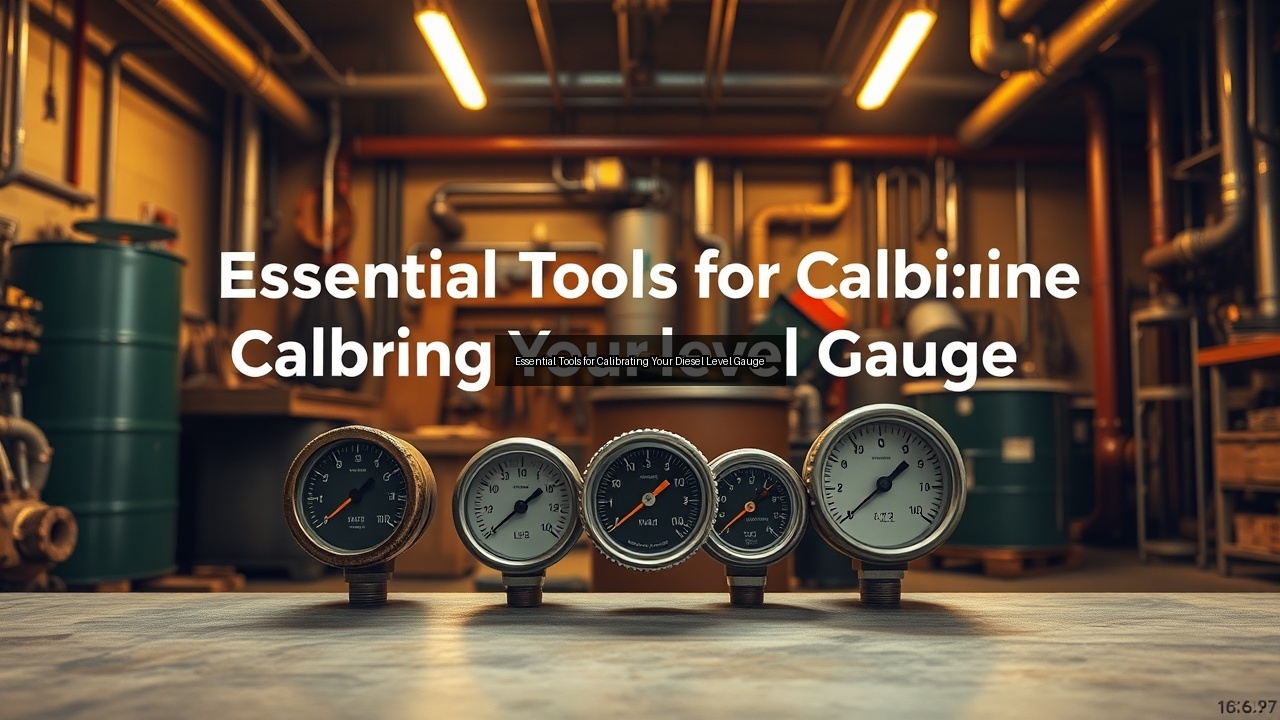
Understanding Diesel Level Gauges
What is a Diesel Level Gauge?
A diesel level gauge measures fuel volume inside diesel tanks with precision that keeps operations running smoothly. Operators rely on this device, also called a diesel tank gauge or liquid level gauge, to monitor supply in real time and avoid unexpected shortages. The gauge typically mounts on the tank top or side and sends readings to a display or control panel. Accurate data prevents overfills and dry runs that damage pumps or engines. In farm settings or industrial sites, the gauge tracks consumption patterns across multiple diesel tanks connected by pipes. Users check readings daily to schedule refills and maintain steady fuel flow to equipment like the Powerstroke diesel engine. Proper installation ensures the sensor detects changes without interference from sludge or temperature shifts common in heating oil storage.
Types of Diesel Gauges
Diesel gauges come in several designs suited to different tank sizes and environments. Mechanical float models use a buoyant arm that rises and falls with the fuel surface inside a drum or larger diesel tank. Electronic versions employ ultrasonic or pressure sensors for non-contact measurement through pipes or tank walls. Capacitive probes work well in chemical storage alongside diesel because they resist corrosion from additives. Sight glass gauges offer simple visual checks on smaller heating oil setups but require manual reading. Digital diesel gauges integrate with monitoring systems to log data for fuel gauge apps on mobile devices. Each type fits specific needs on a farm or construction site where downtime from inaccurate readings costs money. Selection depends on tank material, access points, and whether remote monitoring through pipes matters for the operation.
Importance of Accurate Calibration
Accurate calibration keeps diesel gauges reliable so operators receive true volume data from every diesel tank. Without it, sensors drift and report false levels that lead to engine stalls or costly overflows. A well-calibrated gauge supports efficient fuel management for the Powerstroke diesel engine and other heavy equipment on the farm. Regular checks catch small errors before they grow into major problems during peak use. Calibration also accounts for tank shape variations and pipe obstructions that affect sensor performance. In heating oil or chemical applications, precise readings prevent environmental spills and regulatory issues. Operators who maintain calibration schedules reduce waste and extend equipment life. Consistent accuracy builds confidence in daily decisions about refills and usage tracking across connected diesel tanks.
Essential Tools for Calibration
Calibration Tools Overview
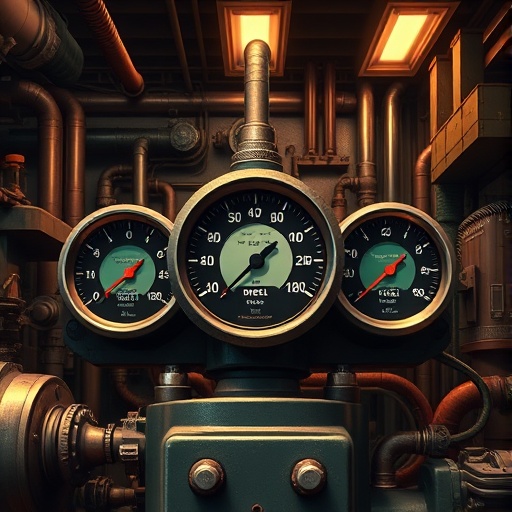
Calibration tools form the foundation for restoring accuracy to any diesel level gauge or fuel gauge. These instruments verify sensor output against known volumes and correct deviations quickly. Basic kits include reference standards, multimeters, and interface cables that connect directly to the gauge electronics. Advanced setups add data loggers that record readings during tests on diesel tanks. Operators use these tools to simulate fuel levels and confirm the sensor responds correctly across the full range. The process works for gauges mounted on drums, heating oil tanks, or large farm storage systems. Proper tool use eliminates guesswork and produces repeatable results that keep diesel engines supplied without interruption. Documentation of each session helps track performance trends over time.
Recommended Calibration Equipment
Recommended calibration equipment includes a certified reference meter, adjustable pressure source, and digital multimeter rated for sensor signals. A portable tank simulator lets technicians test the diesel tank gauge without draining actual fuel from pipes. Laser distance tools measure tank dimensions accurately before calibration begins. Software interfaces allow direct adjustment of electronic diesel gauges through a laptop connection. For field work on farms, compact kits fit in a truck and handle both mechanical and ultrasonic models. Operators also keep spare sensors and O-rings on hand because calibration often reveals worn parts needing immediate replacement. Quality equipment pays for itself by preventing misreads that cause downtime or fuel loss in heating oil and chemical systems.
Cost Considerations for Calibration Tools
Cost considerations for calibration tools balance upfront investment against long-term savings from accurate diesel gauges. Entry-level kits start around a few hundred dollars and cover basic mechanical checks on smaller diesel tanks. Professional-grade sets with data logging and reference meters run into the low thousands but handle frequent use across multiple sites. Rental options reduce cost for occasional calibration on farm diesel tanks or heating oil drums. Factor in training time and replacement parts when budgeting because neglected tools lead to repeated errors. Many operators find that owning reliable equipment cuts service calls and extends gauge life. Compare features such as compatibility with Powerstroke engine sensors or pipe-mounted liquid level gauge models before purchase. Smart buying keeps total ownership expenses low while maintaining dependable fuel monitoring.
Step-by-Step Calibration Process
Preparing the Diesel Tank
Preparing the diesel tank starts with safety checks and fuel level verification before any calibration work begins. Operators shut off valves on connected pipes and relieve pressure to prevent spills. They clean the area around the gauge mounting point and inspect for corrosion that could affect sensor readings. Empty or partially filled tanks require controlled filling with measured volumes of diesel or a safe test liquid. Documentation of starting conditions ensures the calibration matches actual operating parameters on the farm or industrial site. Temperature stabilization matters because fuel density changes with heat, especially in heating oil storage. Proper preparation avoids contamination and sets the stage for accurate sensor testing across the full gauge range.
Using the Calibration Tools
Using the calibration tools requires steady application of known volumes while monitoring gauge output. Technicians connect the reference meter to the tank outlet pipe and introduce measured diesel in increments. They record sensor voltage or current at each step and compare values to expected readings for that diesel tank gauge. Adjustments follow manufacturer procedures, often through small potentiometers or digital menus on electronic models. Multiple cycles confirm repeatability before final lock-in of settings. Field teams on farms keep notes on ambient conditions and pipe layout because these factors influence results. Consistent technique produces reliable diesel gauges that track fuel accurately during normal operation and reduce risk of engine issues in Powerstroke systems.
Testing the Sensor Accuracy
Testing the sensor accuracy verifies that the liquid level gauge reports correct volumes after calibration adjustments. Operators run a full sweep from empty to full using the reference equipment and log deviations at multiple points. They check response time when fuel moves through pipes and confirm the display updates without lag. Cross-checks with a secondary measuring method, such as a dipstick on accessible diesel tanks, add confidence. Any remaining error triggers another round of tool use until readings fall within tolerance. This final validation step protects against costly surprises during daily use of heating oil or chemical storage systems. Thorough testing ensures the diesel level gauge performs reliably under load.
Common Issues and Troubleshooting
Identifying Calibration Errors
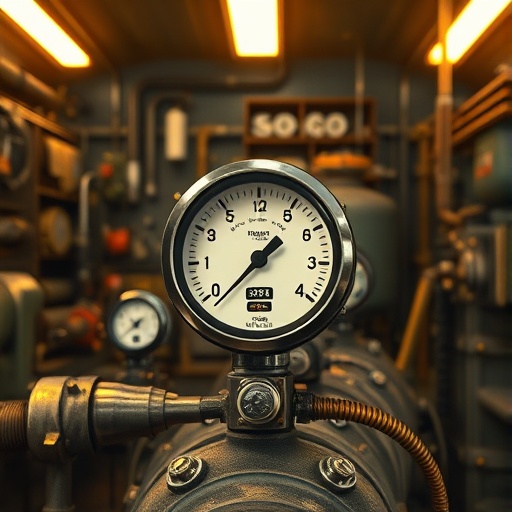
Identifying calibration errors begins with comparing gauge readings against actual tank measurements taken by dipstick or flow meter. Sudden jumps in reported volume or consistent offsets point to sensor drift or improper setup on diesel tanks. Operators watch for erratic behavior during temperature changes common with heating oil. Visual inspection of pipes and connections often reveals loose fittings or debris blocking the sensor path. Logging data over several days helps distinguish random noise from systematic problems in diesel gauges. Early detection prevents small errors from affecting fuel management for the Powerstroke diesel engine or farm equipment. Systematic checks isolate whether the issue lies in the gauge electronics or physical tank conditions.
Dealing with Downtime
Dealing with downtime during gauge calibration demands quick planning to keep operations moving. Operators schedule work during low-demand periods and maintain backup fuel reserves in secondary diesel tanks. Portable gauges provide temporary monitoring while the primary sensor undergoes adjustment through pipes. Clear communication with equipment operators minimizes disruption on the farm. Having spare parts on site shortens the window when diesel gauges remain offline. Efficient troubleshooting reduces total lost time and protects production schedules that rely on steady fuel supply to engines. Proactive measures turn calibration into a routine task rather than an emergency that halts work.
Solutions for Common Gauge Problems
Solutions for common gauge problems focus on targeted fixes that restore diesel level gauge function without full replacement. Recalibration resolves most drift issues after cleaning the sensor face and checking pipe connections. Replacing worn seals stops leaks that distort readings in chemical or heating oil tanks. Firmware updates on electronic diesel gauges correct software-related inaccuracies. For mechanical models, adjusting the float arm or replacing the pivot restores smooth operation. When corrosion appears on farm diesel tanks, upgrading to stainless components prevents recurrence. These practical steps keep gauges accurate and extend service life across varying fuel types and tank configurations.
Maintaining Your Diesel Level Gauge

Regular Calibration Schedule
A regular calibration schedule maintains diesel tank gauge accuracy throughout the year. Many operators perform checks quarterly on high-use systems and annually on backup heating oil storage. Frequency increases after major tank modifications or when new pipes are installed. Logging each session creates a history that predicts when sensors may need attention. Consistent timing catches gradual drift before it affects fuel gauge reliability for the Powerstroke diesel engine. Farm managers often tie calibration to seasonal equipment inspections to minimize separate downtime. Following manufacturer intervals combined with site-specific experience keeps readings trustworthy across all diesel tanks in the operation.
Best Practices for Long-lasting Performance
Best practices for long-lasting performance include routine visual inspections of the diesel level gauge mounting and surrounding pipes. Operators keep tank interiors clean to prevent sediment from interfering with the sensor. Avoiding overfills protects electronic components from pressure spikes common in heating oil and chemical applications. Temperature monitoring helps adjust expectations because fuel expansion affects volume readings. Training staff on proper handling reduces accidental damage during refills on the farm. Documenting usage patterns allows proactive scheduling of maintenance before problems appear. These habits ensure diesel gauges deliver dependable data and support efficient operation of diesel engines without frequent interventions.
When to Replace Diesel Gauges
When to replace diesel gauges becomes clear after repeated calibration failures or visible physical damage. Persistent offset errors that resist adjustment signal sensor degradation from age or exposure to harsh fuels. Corrosion on components exposed to pipes or tank walls often justifies full replacement rather than continued repairs. Upgrading to newer electronic models improves accuracy and adds remote monitoring features useful on larger diesel tanks. Cost analysis compares ongoing maintenance against the price of a new liquid level gauge. Timely replacement prevents sudden failures that create downtime and potential engine damage in Powerstroke systems. Planning ahead keeps fuel monitoring continuous across the entire operation.