Exploring the Benefits of Dual Shot Injection Molding for Sustainable Manufacturing
Understanding Dual Shot Injection Molding
Overview of the Dual Shot Injection Molding Process
Dual shot injection molding delivers two materials into a single mold during one cycle. The process begins with the first shot forming the base structure, then the mold rotates or shifts to accept the second material that bonds directly to the initial layer. This technique supports complex geometries without secondary assembly steps. Manufacturers rely on precise temperature controls and injection pressures to achieve strong adhesion between layers. Dual shot molding technique eliminates the need for adhesives or fasteners, which streamlines production lines and reduces handling errors. The result appears in finished parts that combine rigid and flexible properties in one piece, meeting demanding performance requirements across automotive and consumer goods sectors.
Comparison with Traditional Injection Molding Techniques
Traditional injection molding completes one material per cycle and often requires additional operations for multi-material products. Dual shot injection molding completes the same task in a single automated sequence. This difference cuts cycle times and lowers labor costs while improving part consistency. 2 shot injection molding also reduces alignment issues that arise when parts move between separate machines. In contrast, standard methods may produce more scrap from mismatched tolerances. Dual injection offers tighter integration of colors, textures, and functional zones without extra bonding steps. Companies switching to dual shot processes report measurable gains in throughput and fewer quality rejects, making the upgrade attractive for high-volume runs.
Key Components of Dual Shot Molding Machines
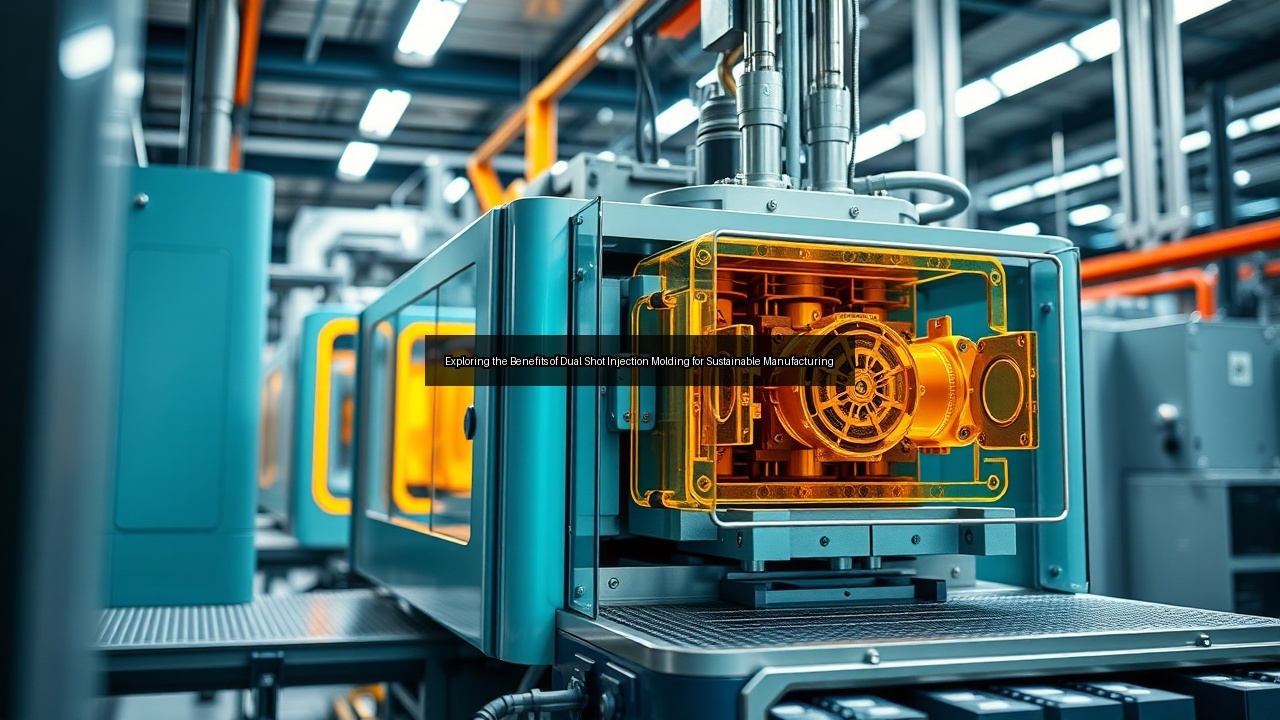
Dual shot molding machines feature two injection units mounted on a shared base, along with a rotating platen or core that transfers the first shot into position for the second material. Servo-driven screws deliver accurate shot volumes for each plastic type. Advanced controllers synchronize injection timing and mold movements to maintain repeatability. Cooling channels positioned throughout the mold prevent warping during the rapid material transitions. Safety interlocks and real-time monitoring systems protect operators while tracking parameters such as pressure and temperature. These components work together to support the efficiency gains that define modern dual shot injection molding operations.
Sustainability in Manufacturing
The Role of Dual Shot Injection Molding in Sustainable Practices
Dual shot injection molding advances sustainability by combining multiple functions into single parts, which reduces overall material consumption and energy use across the supply chain. The process minimizes transportation between production stages because parts exit the machine nearly complete. Manufacturers achieve lower carbon footprints when they replace multi-piece assemblies with integrated dual shot components. This approach also supports lightweighting strategies that improve fuel efficiency in vehicles and reduce shipping weights. By embedding sustainability directly into the molding cycle, companies meet regulatory targets while maintaining product quality and performance standards.
Reducing Waste Through Efficient Material Use
Efficient material use stands out as a primary advantage of dual shot injection molding. The technique places each plastic only where it adds value, avoiding excess layers or fillers that traditional methods often require. Precise shot control limits flash and runner scrap, which lowers raw material purchases. Closed-loop systems recapture and reintroduce trimmed material back into the process without compromising part integrity. These practices shrink landfill contributions and cut disposal expenses. Over time, the cumulative savings from reduced waste translate into stronger profit margins and clearer environmental reporting for stakeholders.
Recycling and the Future of Thermoplastics in Dual Shot Molding
Thermoplastics used in dual shot injection molding respond well to recycling streams because they retain properties after reprocessing. Forward-looking facilities sort and regrind production scrap for reuse in non-critical layers or future runs. Emerging bio-based thermoplastics further expand sustainable options while maintaining compatibility with existing dual shot equipment. Industry conversations focus on designing parts that disassemble easily at end of life, allowing clean separation of different plastic types. Continued development of compatible material pairs will strengthen closed-loop systems and support circular economy goals across manufacturing sectors.
Material Considerations in Dual Shot Injection Molding
Types of Plastics Used in Dual Shot Processes
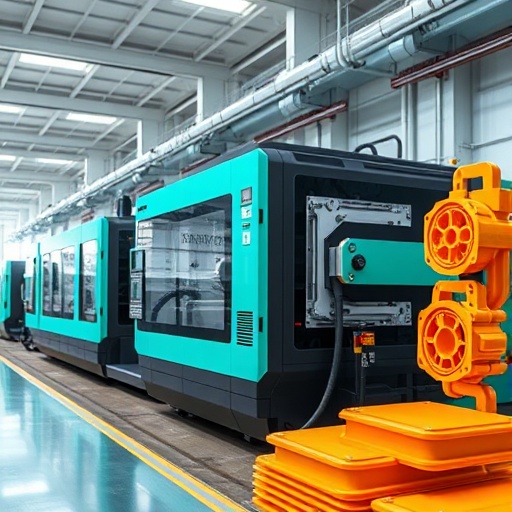
Common plastics in dual shot injection molding include ABS paired with TPE for soft-touch grips, polycarbonate with polypropylene for optical and structural zones, and nylon with elastomers for durable seals. Each combination must match shrinkage rates and bonding characteristics to prevent delamination. Material suppliers now offer grades formulated specifically for dual shot applications, improving adhesion and processing windows. Selection depends on end-use requirements such as chemical resistance, flexibility, and color stability. Careful pairing of plastics ensures the finished component meets both functional and aesthetic demands without additional surface treatments.
The Benefits of Using Aluminum in Molding
Aluminum molds bring distinct advantages to dual shot injection molding projects. The material conducts heat rapidly, shortening cooling times and increasing machine utilization. Aluminum also machines faster than steel, which reduces lead times for prototype and low-volume tooling. When paired with proper surface treatments, aluminum molds withstand the pressures of repeated dual shot cycles while delivering consistent part quality. Many manufacturers choose aluminum for initial production runs to validate designs before committing to hardened steel. This strategy balances cost, speed, and performance during the early stages of product development.
Integrating 3D Printing with Dual Shot Techniques
3D printing complements dual shot injection molding by producing custom inserts or prototype molds quickly. Engineers print conformal cooling channels or complex core geometries that traditional machining cannot achieve economically. These printed elements fit directly into dual shot machines for short runs or design validation. The hybrid workflow accelerates iteration cycles and reduces tooling costs during development. Once the design stabilizes, production shifts to conventional molds while retaining the performance insights gained from 3D printed trials. This integration strengthens overall manufacturing agility without sacrificing the repeatability of dual shot processes.
Applications and Benefits of Dual Shot Injection Molding
Innovative Applications Across Industries
Automotive suppliers apply dual shot injection molding to create integrated seals and housings that reduce assembly steps. Medical device makers produce ergonomic handles with built-in soft grips that improve user safety. Electronics firms use the technique for waterproof enclosures that combine rigid frames with flexible gaskets in one shot. Consumer product brands rely on 2 shot molding to add vibrant color accents without painting. Each sector benefits from the process’s ability to merge materials that deliver both structural strength and tactile features, driving product differentiation in competitive markets.
Cost-Efficiency and Productivity Gains
Dual shot injection molding improves cost-efficiency by collapsing multiple operations into one cycle. Labor decreases because operators load and unload fewer parts. Machine time drops when secondary bonding or welding steps disappear. Inventory carrying costs fall as fewer unique components require storage and tracking. Productivity rises through higher first-pass yields and reduced rework. Companies that adopt the 2 shot process often reallocate freed capacity toward new product introductions rather than routine assembly tasks, accelerating time-to-market and supporting revenue growth.
Enhancing Product Design with Overmolding Techniques
Overmolding within dual shot injection molding allows designers to place functional materials exactly where needed. Soft elastomers create comfortable grips on rigid handles, while rigid reinforcements strengthen flexible membranes. The single-cycle approach maintains tight tolerances between layers that separate molding operations cannot match. Designers gain freedom to explore textures, colors, and mechanical properties without adding fasteners or adhesives. The resulting parts look and perform better while requiring less material overall, which reinforces both aesthetic appeal and sustainability targets.
Leadership in Sustainable Manufacturing Initiatives
Creating a Culture of Sustainability in Manufacturing
Leadership teams drive sustainability by embedding dual shot injection molding into long-term capital plans. They set measurable targets for waste reduction and energy intensity, then track progress through transparent dashboards. Training programs teach operators how process parameters affect material efficiency. Cross-functional teams review part designs early to maximize the advantages of 2 shot molding. Recognition programs reward employees who identify new opportunities for material substitution or recycling. This culture turns sustainability from a compliance exercise into a core operating principle that guides daily decisions.
Conversations Around Future Trends in Molding Techniques
Industry conversation now centers on smarter controls, bio-compatible materials, and expanded use of recycled content in dual shot processes. Leaders participate in technical forums to share data on adhesion performance and cycle-time reductions. These exchanges accelerate adoption of emerging thermoplastics and refine best practices for overmolding. Manufacturers also discuss integration with extrusion lines and downstream automation to create fully connected production cells. The ongoing dialogue keeps organizations aligned with evolving customer expectations and regulatory landscapes.
Case Studies on Successful Implementation of Dual Shot Molding
One automotive supplier replaced a three-piece assembly with a dual shot component and cut material usage by 18 percent while improving seal performance. A consumer electronics firm introduced 2 shot molding for phone cases and reduced painting operations entirely, lowering volatile organic compound emissions. A medical device manufacturer combined rigid two shot injection molding and flexible plastics in a single shot to produce ergonomic surgical tools that passed rigorous biocompatibility testing. Each case demonstrates how dual shot injection molding delivers measurable sustainability gains alongside cost and quality improvements when leadership commits to thorough implementation planning.
See Also
- From Aluminum to Plastics The Versatility of Dual Shot Injection Molding Techniques
- The Science Behind Dual Shot Injection Molding and Its Impact on Thermoplastic Design
- Understanding the Dual Shot Molding Technique and Its Advantages Over Traditional Methods
- Why Dual Shot Injection Molding is the Future of Efficient Production Processes