How CNC Machining is Transforming Radiology Equipment Development
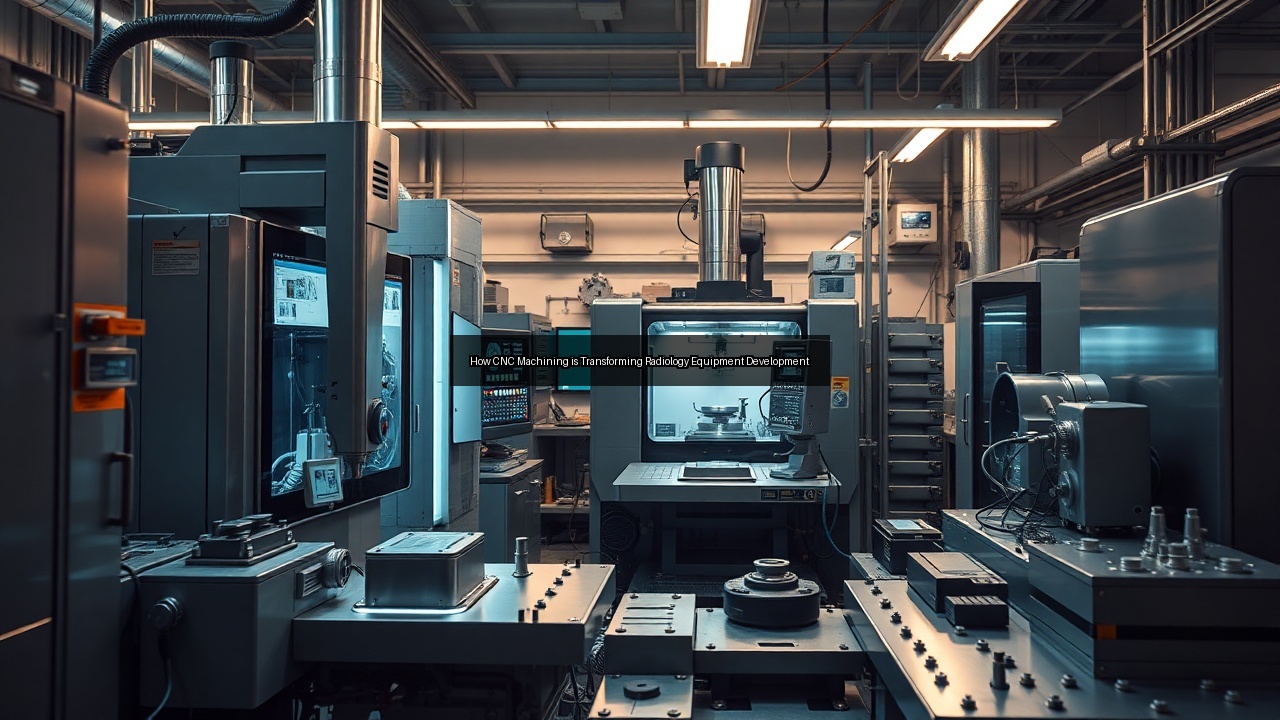
The Evolution of CNC Machining in Medical Equipment Development
Historical Overview of CNC Machining in Medicine
CNC machining burst onto the medical scene in the mid-20th century, revolutionizing how engineers craft precision components for life-saving devices. Initially, machinists relied on manual techniques to shape metals for early prosthetics and surgical tools, but the introduction of computer numerical control in the 1950s automated these processes. This shift allowed for intricate designs that manual methods couldn't achieve, paving the way for modern medical equipment. By the 1970s, CNC technology integrated into hospitals and manufacturing facilities, producing parts for pacemakers and orthopedic implants with unprecedented accuracy. Today, medical CNC machining stands as a cornerstone of the industry, enabling the creation of complex geometries essential for diagnostic equipment. As demands grew for sterile, durable components, CNC services evolved to meet stringent standards, transforming raw metal into reliable medical devices. This historical progression highlights how CNC manufacturing has consistently pushed boundaries, from basic tooling to sophisticated medical machining services that support global healthcare innovations.
Advancements in CNC Technology for Medical Devices
Recent breakthroughs in CNC technology have supercharged the development of medical devices, making production faster, more precise, and cost-effective. Multi-axis machines now handle five or more directions simultaneously, allowing machinists to sculpt intricate features in a single setup, which reduces errors and waste. Software integrations like CAD/CAM systems enable seamless design-to-production workflows, where engineers visualize and refine parts before any metal touches the tool. In medical CNC machining, these advancements shine through in the fabrication of components for imaging systems and surgical instruments. Laser-guided controls and adaptive tooling ensure tolerances as tight as 0.001 inches, critical for devices that interface directly with the human body. Moreover, hybrid systems combining CNC with other processes, such as injection molding for prototypes, accelerate iteration cycles. These innovations not only enhance CNC machining services for medical applications but also democratize access to high-quality medical manufacturing, empowering smaller firms to compete in the bustling medical industry machining landscape.
The Role of CNC Machining in Radiology Equipment
CNC machining plays a pivotal role in radiology equipment by crafting the durable, precise housings and mounts that house sensitive detectors and imaging arrays. Radiology demands components that withstand radiation exposure and mechanical stress while maintaining micron-level alignments for accurate scans. Medical CNC machining excels here, producing custom parts like aluminum frames for CT scanners or titanium brackets for MRI machines, ensuring stability during high-resolution imaging. Machinists use CNC services to iterate designs rapidly, incorporating feedback from radiologists to optimize ergonomics and functionality. This precision directly impacts diagnostic equipment performance, reducing artifacts in X-rays and ultrasounds that could lead to misdiagnoses. Beyond core structures, CNC manufacturing fabricates intricate cooling systems and shielding elements from cobalt-chrome alloys, vital for equipment longevity. As radiology evolves toward portable and AI-enhanced units, CNC medical machining adapts, delivering bespoke solutions that blend engineering prowess with medical-grade reliability, ultimately advancing patient care through superior imaging technology.
Materials Used in CNC Machining for Radiology Equipment
Common Materials: Cobalt-Chrome, Titanium, and Aluminum
Cobalt-chrome alloys lead the pack in medical CNC machining for radiology equipment due to their exceptional corrosion resistance and biocompatibility, ideal for components exposed to bodily fluids or harsh sterilants. These alloys endure repeated autoclaving without degrading, making them perfect for reusable parts in diagnostic equipment like ultrasound probes. Titanium follows closely, prized for its lightweight strength and non-magnetic properties, which prevent interference in MRI systems. CNC machinists shape titanium into thin, intricate walls for scanner housings, balancing durability with minimal weight to enhance portability. Aluminum rounds out the trio, offering cost-effective machinability and excellent thermal conductivity for heat-dissipating elements in X-ray machines. In CNC machining parts for radiology, these metals undergo precise milling and turning to achieve smooth finishes that minimize bacterial adhesion. Medical machining services leverage these materials' versatility, producing everything from mounting brackets to radiation shields, ensuring radiology equipment operates flawlessly under demanding conditions.
The Importance of Medical-Grade Materials
Medical-grade materials form the backbone of safe, effective radiology equipment, and CNC machining amplifies their value by enabling exact specifications. These specialized alloys and polymers must pass rigorous biocompatibility tests, preventing allergic reactions or toxicity in patients and staff. In medical device manufacturing, using subpar materials risks equipment failure during critical scans, so CNC medical machining insists on certified sources like ISO-compliant suppliers. For instance, medical-grade titanium ensures no leaching of harmful ions, crucial for long-term implants integrated with imaging tech. Aluminum variants with anodized coatings resist wear in high-traffic radiology labs, while cobalt-chrome provides the hardness needed for load-bearing components. Machinists in the medical industry machining sector prioritize these materials to meet FDA guidelines, incorporating features like porous surfaces for better integration in hybrid devices. Ultimately, selecting medical-grade options through CNC services guarantees that diagnostic equipment delivers accurate results without compromising health, underscoring their indispensable role in modern healthcare engineering.
Innovations with Nickel-Titanium and Composite Materials
Nickel-titanium, or Nitinol, emerges as a game-changer in medical CNC machining, thanks to its shape-memory properties that allow components to revert to original forms after deformation—perfect for flexible radiology probes. CNC machinists craft these superelastic alloys into stents or guidewires used in interventional radiology, where precision bending enhances navigation through vessels. Composite materials, blending carbon fibers with metals, offer lightweight alternatives to traditional alloys, reducing the overall mass of portable X-ray units without sacrificing strength. In CNC manufacturing, these hybrids undergo layered milling to embed sensors directly into structures, boosting diagnostic equipment intelligence. Innovations like bioresorbable composites dissolve post-use, minimizing waste in single-application tools. Medical machining services explore these frontiers, combining nickel-titanium with 3D printing for prototypes that test real-world flexibility. As radiology pushes toward minimally invasive techniques, these material advancements via CNC medical enable sleeker, more adaptive devices, transforming how engineers approach medical equipment design and production.
Integration of AI and 3D Printing in CNC Machining
How AI is Streamlining CNC Machining Processes
AI revolutionizes CNC machining by predicting tool wear and optimizing cutting paths, slashing downtime in medical device production. Machine learning algorithms analyze vast datasets from past runs to adjust speeds and feeds in real-time, ensuring flawless medical CNC machining for radiology parts. In busy workshops, AI-driven software flags anomalies like vibration spikes, preventing defects in titanium housings or aluminum frames. This predictive maintenance extends to material selection, where AI simulates stress on cobalt-chrome components under radiation loads. For CNC services in the medical industry, AI integrates with CAD systems to automate design tweaks, accelerating the path from concept to prototype. Machinists benefit from augmented reality overlays that guide complex setups, enhancing accuracy for intricate diagnostic equipment. Overall, AI streamlines workflows, cuts costs, and elevates quality in medical manufacturing, positioning CNC medical machining as a smarter, more efficient pillar of healthcare innovation.
The Synergy of 3D Printing and CNC Machining in Medical Devices
3D printing and CNC machining unite to supercharge medical device development, offering a hybrid approach that combines rapid prototyping with finishing precision. 3D printing builds initial models of radiology components from plastics or resins, allowing engineers to test ergonomics before committing to metal CNC machining. Post-printing, CNC services refine these parts, milling away excesses for smooth, functional surfaces on titanium or composite bases. This synergy shines in creating custom artificial joints integrated with imaging tech, where 3D layers provide complex internals and CNC ensures biocompatibility. In medical CNC machining, the process reduces lead times from weeks to days, vital for iterative designs in diagnostic equipment. Machinists use this combo for injection molding molds, blending additive speed with subtractive accuracy. As medical equipment evolves, this partnership fosters innovation, enabling CNC manufacturing to produce hybrid devices that are lighter, stronger, and tailored to specific radiology needs, redefining medical machining services.
Case Studies: Successful Applications in Diagnostic Equipment
One standout case involves a leading radiology firm using AI-enhanced CNC machining to overhaul CT scanner gantries, incorporating titanium alloys for 30% weight reduction while maintaining rigidity. Integrated 3D printing prototyped the curved designs, and CNC finishing achieved sub-micron tolerances, boosting scan speeds and image clarity. Another example from a European medical device manufacturer highlights CNC medical machining for MRI coil housings, where nickel-titanium elements flexed during assembly, tested via AI simulations to predict performance. This led to a 25% efficiency gain in diagnostic equipment. In the U.S., a startup leveraged hybrid 3D printing-CNC workflows to develop portable ultrasound machines with composite casings, machined to medical-grade standards for field use in remote clinics. These applications demonstrate how CNC services, powered by AI and additive tech, deliver breakthroughs in medical manufacturing, from enhanced durability in cobalt-chrome parts to seamless integration in radiology systems, proving their transformative impact on patient diagnostics.
Regulatory Standards and Quality Assurance in Medical CNC Machining
Understanding ISO 13485 and Its Importance
ISO 13485 sets the gold standard for quality management in medical device manufacturing, ensuring CNC machining processes consistently yield safe, effective products. This certification mandates documented procedures for design, production, and risk assessment, directly applying to medical CNC machining where precision errors could endanger lives. For radiology equipment, ISO 13485 compliance verifies that materials like aluminum and titanium meet biocompatibility thresholds through traceable sourcing and testing. Machinists in CNC services follow its guidelines to implement validation protocols, confirming each batch of diagnostic equipment parts performs as intended. The standard's emphasis on supplier audits prevents contamination in medical-grade alloys, fostering trust in medical machining services. Beyond compliance, ISO 13485 drives continuous improvement, incorporating feedback loops that refine CNC manufacturing techniques. In the competitive medical industry, adherence to this framework not only avoids regulatory pitfalls but also elevates the reliability of radiology innovations, safeguarding patient outcomes through rigorous engineering discipline.
Quality Control Processes in Medical Device Manufacturing
Quality control in medical device manufacturing hinges on multi-layered inspections during CNC machining, from raw material checks to final assembly verifications. Ultrasonic testing detects internal flaws in cobalt-chrome blocks before milling begins, while in-process gauges monitor dimensions on titanium components to tolerances of 0.0005 inches. For radiology equipment, CMM (coordinate measuring machines) scan finished parts, ensuring alignments critical for imaging accuracy. Medical CNC machining incorporates statistical process control, tracking variations to preempt defects in diagnostic equipment. Sterility assurance involves cleanroom protocols and particle counts, essential for medical-grade surfaces. Machinists document every step via digital twins, enabling traceability back to specific tools or operators. These processes, integral to CNC medical services, minimize recalls and enhance longevity of medical machines, blending human oversight with automated AI checks for unparalleled reliability in the medical manufacturing arena.
Challenges in Meeting Regulatory Requirements
Navigating regulatory requirements in medical CNC machining presents hurdles like evolving FDA directives that demand faster validation for new materials such as composites. Small-scale machinists struggle with the high costs of ISO 13485 certification, including audits and training, which can strain CNC services budgets. Ensuring consistency across global supply chains for titanium or nickel-titanium adds complexity, as varying regional standards complicate compliance. In radiology, radiation-specific regs require specialized testing that delays production timelines for diagnostic equipment. Overcoming these involves investing in compliant software for CNC manufacturing, yet skill gaps among machinists persist, necessitating ongoing education. Despite challenges, proactive strategies like modular tooling designs help medical machining services adapt, turning obstacles into opportunities for refined processes that uphold medical device safety and innovation in a tightly regulated landscape.
Future Trends in CNC Machining for the Medical Industry
Emerging Technologies and Their Impact on Medical Manufacturing
Emerging technologies like nanoscale CNC machining promise to miniaturize radiology components, enabling implantable sensors for real-time imaging feedback. Quantum computing could optimize complex simulations for material behaviors in cobalt-chrome under stress, accelerating medical CNC machining designs. Sustainable practices, including recyclable aluminum variants, gain traction, aligning CNC services with eco-friendly medical manufacturing. AI's expansion into predictive analytics will forecast equipment failures in diagnostic tools, extending service life. Hybrid systems merging CNC with advanced 3D printing will produce multifunctional parts, like self-healing composites for MRI housings. These trends reshape the medical industry machining field, empowering machinists to create smarter, greener medical devices that enhance radiology precision and accessibility worldwide.
The Role of Tooling and Casting in Future Developments
Tooling and casting will anchor future CNC machining advancements, providing foundational precision for scalable medical production. Advanced dies cast intricate nickel-titanium shapes, which CNC then refines for radiology probes, combining speed with customization. Custom tooling, crafted via AI-optimized designs, reduces setup times in medical device manufacturing, vital for high-volume diagnostic equipment runs. Innovations in 3D-printed molds for casting aluminum alloys cut costs and waste, enabling rapid prototyping of medical-grade parts. In CNC medical machining, these methods integrate with engineering simulations to predict thermal distortions, ensuring flawless fits in complex assemblies. As the medical industry evolves, tooling and casting will facilitate on-demand manufacturing, allowing machinists to respond swiftly to radiology needs, from personalized artificial joints to robust machine enclosures, driving efficiency and innovation forward.
Predictions for CNC Machining and Radiology Equipment
CNC machining will dominate radiology equipment evolution, with predictions pointing to fully automated factories producing bespoke titanium scanners on demand. Integration of AI and IoT will enable smart CNC services that self-adjust for material variances, slashing errors in medical CNC machining. Expect widespread adoption of bio-compatible composites, machined to embed AI chips for predictive diagnostics in portable units. Regulatory harmonization will streamline global medical manufacturing, boosting CNC medical access for emerging markets. By 2030, hybrid CNC-3D systems could cut development times by 50%, revolutionizing custom radiology tools like adaptive X-ray arms. Machinists will shift toward oversight roles, with machines handling routine tasks, fostering a era of hyper-personalized medical devices that transform patient care through unparalleled precision and adaptability.
See Also
- Exploring the Benefits of Medical-Grade Materials in CNC Machining
- From Design to Delivery Exploring the Role of CNC in Medical Equipment
- Revolutionizing Healthcare with Precision Medical CNC Machining
- Mastering Materials in Medical CNC Machining Cobalt-Chrome vs Titanium
- AI and CNC Machining The New Frontier in Diagnostic Equipment Production