How Thermoset Plastics Revolutionize the Automotive Industry
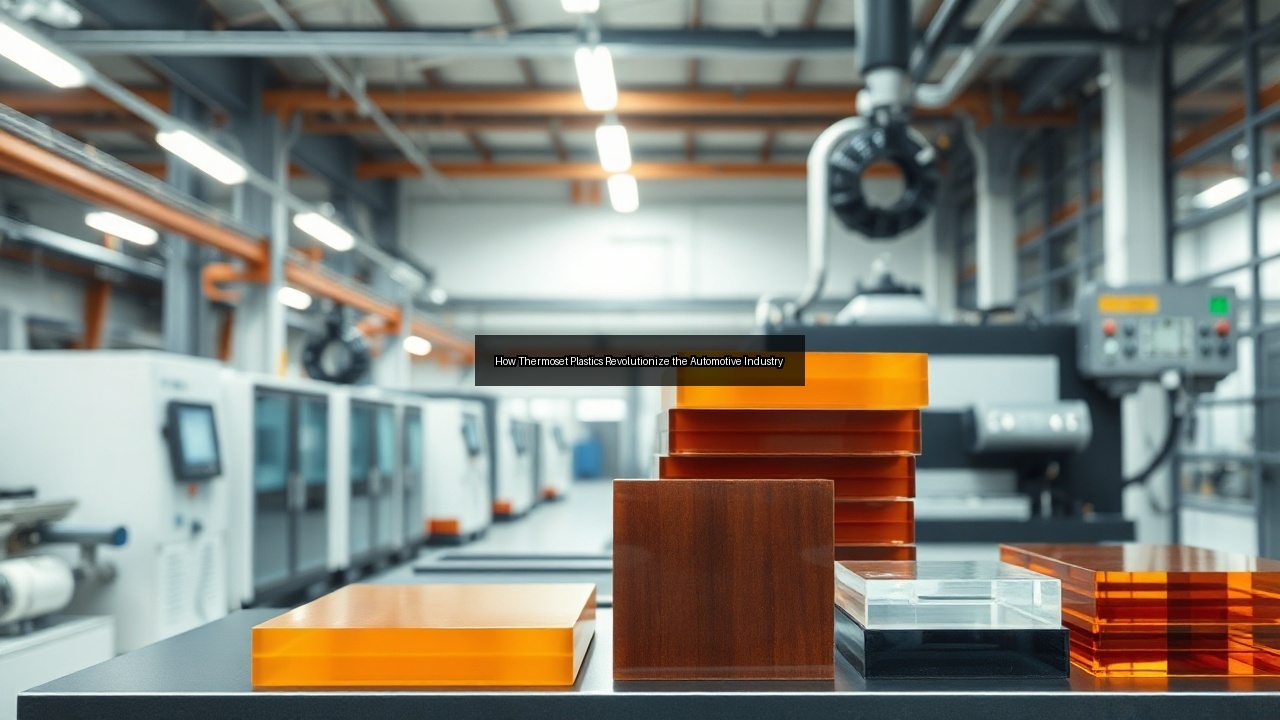
The Rise of Thermoset Plastics in the Automotive Industry
Introduction to Thermoset Plastics
Thermoset plastics have emerged as pivotal materials within the automotive industry, revolutionizing vehicle manufacturing and design. Unlike their thermoplastic counterparts, thermosets undergo a curing process that creates a rigid molecular structure. This unique behavior enhances their performance under high temperatures and stress, making them ideal for various automotive applications. Car manufacturers increasingly favor thermoset plastics for components that demand both strength and durability, such as body panels and structural elements. The ability to withstand harsh environmental conditions and mechanical forces without deforming has positioned thermoset materials as a cornerstone for modern vehicle production.
Historical Context: From Thermoplastics to Thermosets
The transition from thermoplastics to thermoset plastics marks a significant evolution in automotive material science. Initially, thermoplastics dominated the market due to their ease of processing and recyclability. However, as the automotive industry's demands for efficiency and performance increased, manufacturers began to explore thermosets. Early thermosetting materials, like epoxy resins, were primarily used in high-performance applications. With advancements in chemical composition and curing technologies, thermosets gained traction across various sectors, including automotive. Today, manufacturers leverage the strengths of thermoset plastics to enhance vehicle performance, safety, and sustainability, establishing a new standard in automotive manufacturing.
Benefits of Thermoset Plastics in Vehicle Manufacturing
Chemical Resistance and Durability
One of the most compelling advantages of thermoset plastics is their exceptional chemical resistance. In automotive applications, vehicles encounter a variety of fluids, including oil, gasoline, and brake fluid. Thermosets maintain their integrity in the presence of these harsh chemicals, ensuring that critical components remain reliable over time. This durability extends the lifespan of automotive parts, reducing the need for frequent replacements and repairs. Additionally, thermoset plastics exhibit outstanding weathering properties, resisting damage from UV rays and environmental exposure. This resilience contributes to the overall safety and longevity of vehicles, making thermoset materials an attractive option for manufacturers aiming to enhance their product offerings.
Impact Resistance in Automotive Applications
Impact resistance is a crucial factor in automotive design. Vehicles must withstand collisions and other forces without compromising passenger safety. Thermoset plastics excel in this area, exhibiting remarkable toughness and rigidity. The curing process involved in thermosetting creates a cross-linked molecular structure that enhances the material's ability to absorb and dissipate energy during impacts. This characteristic makes thermosets ideal for applications such as bumpers, fenders, and interior components. Automotive manufacturers leverage the impact-resistant properties of thermoset plastics to improve vehicle safety ratings and meet stringent regulatory requirements, ultimately fostering consumer trust and satisfaction.
Electrical Insulation Properties
Thermoset plastics also provide excellent electrical insulation, a vital property for modern vehicles increasingly reliant on electrical systems and components. As automotive technology evolves, the complexity of wiring and electronic devices within vehicles grows. Thermosetting materials effectively prevent electrical conduction, safeguarding sensitive electronic parts from short circuits and damage. This electrical insulation capability enhances the reliability of automotive systems, from advanced driver-assistance systems (ADAS) to infotainment units. Manufacturers benefit from using thermoset plastics in wiring harnesses, connectors, and circuit boards, ensuring that vehicles operate efficiently and safely in diverse conditions.
Thermoset vs. Thermoplastic Materials: A Comparative Analysis
Manufacturing Processes: Curing vs. Melting
The manufacturing processes for thermoset and thermoplastic materials differ significantly, influencing their applications in the automotive industry. Thermoplastics undergo melting when heated, allowing for easy reshaping and recycling. This flexibility makes thermoplastics ideal for mass production techniques like injection molding and thermoforming. In contrast, thermoset plastics require a curing process that involves chemical reactions to achieve their final properties. This curing not only solidifies the material but also enhances its strength and durability. The choice between thermosets and thermoplastics often hinges on the desired performance characteristics. For applications requiring high strength and resistance to deformation, thermosets outperform thermoplastics, driving their adoption in critical automotive components.
Design Flexibility and Fabrication Techniques
While thermoplastics offer greater design flexibility due to their ability to be remolded, thermoset plastics provide unique advantages in specific fabrication techniques. The curing process of thermosets allows for intricate designs that maintain structural integrity under stress. Manufacturers utilize techniques like compression molding and resin transfer molding to create complex shapes and components that meet stringent safety and performance standards. This capability is particularly beneficial when designing lightweight structures that do not compromise on performance. As automotive designs become more sophisticated, the ability of thermoset plastics to facilitate innovative fabrication techniques positions them as a critical material for future vehicle development.
Cost Efficiency and Production Scalability
Cost efficiency plays a pivotal role in material selection for automotive manufacturing. Thermoplastics generally provide lower initial costs and faster production cycles due to their ability to be reshaped and reused. However, thermoset plastics offer long-term savings through their durability and performance advantages. While the upfront costs of thermoset materials might be higher, their longevity and reduced maintenance needs result in lower lifecycle costs. Additionally, advancements in thermoset production techniques have improved scalability, enabling manufacturers to produce larger quantities without sacrificing quality. This combination of cost efficiency and performance makes thermoset plastics a valuable investment for automotive companies looking to enhance their product lines.
Future Trends: Innovations in Thermoset Polymers for Automotive Design
Emerging Technologies in Thermosetting Resins
The automotive industry continues to evolve, with emerging technologies in thermosetting resins leading the charge toward innovative designs and applications. Researchers are developing advanced thermoset polymers that offer enhanced properties, such as improved thermal stability and greater flexibility. These innovations enable manufacturers to create lighter, stronger components that align with the industry's push for fuel efficiency and reduced emissions. Additionally, smart materials that respond to environmental changes or damage are gaining traction, promising to redefine safety and performance standards in vehicles. As these technologies mature, thermoset plastics will play an increasingly vital role in shaping the future of automotive design.
Sustainable Practices in Thermoset Production
As sustainability becomes a focal point in the automotive industry, manufacturers are exploring eco-friendly practices in thermoset production. This includes the development of bio-based thermosetting resins derived from renewable resources. These sustainable materials not only reduce environmental impact but also appeal to a growing consumer base that prioritizes eco-conscious products. Additionally, recycling initiatives for thermoset plastics are gaining momentum, with efforts aimed at reprocessing and repurposing used materials. By integrating sustainable practices into thermoset production, automotive companies can enhance their reputations and meet the increasing demand for environmentally responsible products.
Case Studies of Leading Companies in Thermoset Applications
Several leading automotive companies have embraced thermoset plastics, showcasing their transformative impact on vehicle design and manufacturing. For example, a major electric vehicle manufacturer has integrated thermoset composites into battery enclosures, improving safety and thermal management. Another automotive giant has successfully utilized thermosetting materials in structural components, enhancing overall vehicle strength while reducing weight. These case studies highlight the versatility and effectiveness of thermoset plastics in addressing contemporary automotive challenges. As more companies adopt these materials, the automotive industry will continue to innovate, paving the way for safer, more efficient vehicles.