The Rise of CNC Technology in Custom Metal Fabrication
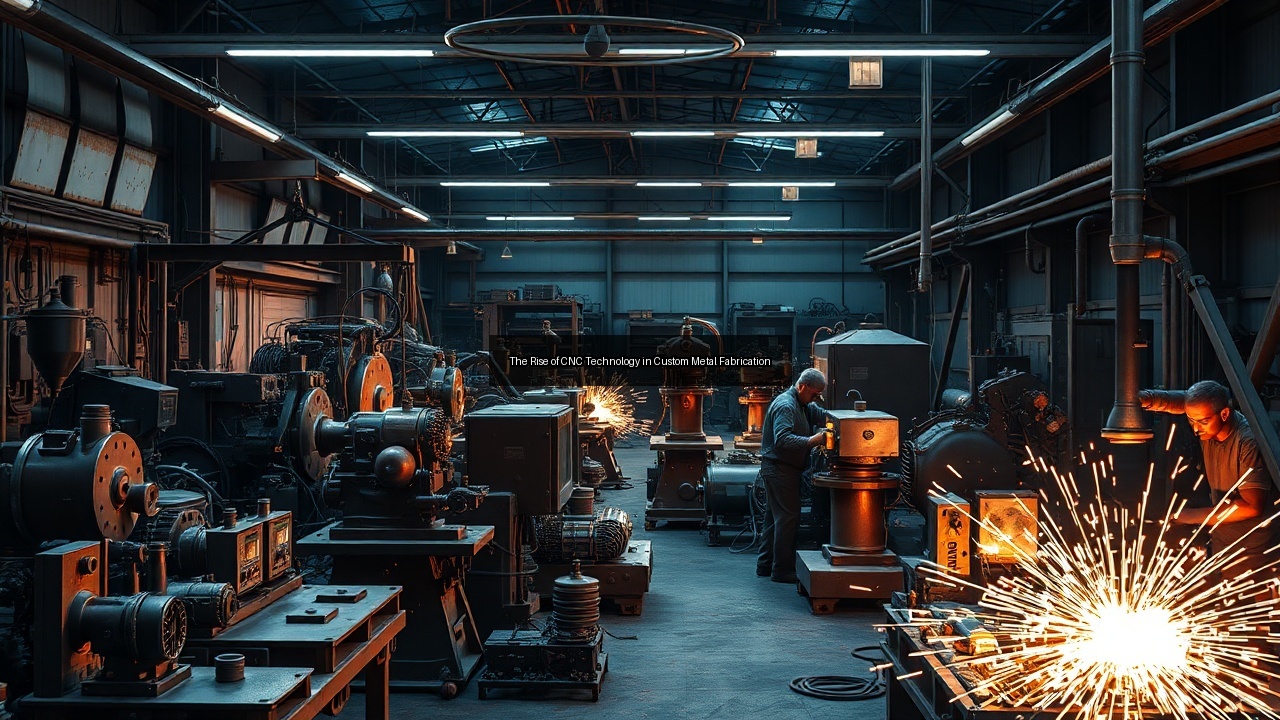
Understanding CNC Technology and Its Impact on Metal Fabrication Services
What is CNC Technology?
CNC technology stands at the heart of modern metal fabrication services, transforming raw materials into precise components through computer-controlled machinery. Engineers program these systems to guide tools like mills, lathes, and routers, ensuring every cut and shape matches exact specifications. This automation replaces manual labor with digital precision, allowing fabricators to handle complex designs that once demanded skilled artisans for hours. In custom metal fabrication services, CNC machines excel by integrating software that interprets CAD files, directing operations down to thousandths of an inch. Fabricators rely on this tech to boost output while minimizing errors, making it indispensable for industries demanding reliability. From sheet metal forming to intricate welding setups, CNC drives efficiency across fabrication processes. Companies specializing in metal services use CNC to prototype quickly and scale production seamlessly. This core capability not only speeds up workflows but also opens doors to innovative metalwork, where aluminum, steel alloys, and even copper take on tailored forms. As fabricators adopt CNC, they deliver high-quality results that meet stringent standards, proving its value in everyday operations.
The Evolution of CNC in Fabrication
CNC technology emerged in the mid-20th century, evolving from punch-card systems to today's sophisticated networks integrated into metal fabrication services. Early versions in the 1950s automated basic machining for aerospace, but advancements in microprocessors during the 1970s propelled CNC into widespread use among fabricators. By the 1990s, software improvements enabled 3D modeling, revolutionizing custom metal fabrication services by allowing complex geometries without physical prototypes. Fabricators now employ multi-axis CNC machines that handle sheet metal, bending, and laser cutting in one setup, slashing lead times dramatically. This progression mirrors the shift from manual metalwork to automated precision, where companies invest in CNC to stay competitive in steel fabrication and beyond. Innovations like hybrid CNC systems incorporating robotics further enhance welding services, blending MIG and TIG techniques for superior joints. As CNC evolves, it supports diverse materials, from galvanized steel to carbon fiber composites, expanding fabrication possibilities. Fabricators who embrace this history gain a edge, delivering anodized parts or laser-marked components with unmatched consistency. The journey underscores CNC's role in elevating metal fabrication from craft to cutting-edge industry.
Benefits of CNC in Custom Metal Fabrication
CNC technology delivers transformative benefits to custom metal fabrication services, starting with unparalleled accuracy that reduces waste and rework. Fabricators achieve tolerances as tight as 0.001 inches, essential for machinery parts and aviation components. Speed surges too— a single CNC setup processes sheet metal forming in minutes, not hours, enabling rapid prototyping for OEMs. Cost savings follow as automation cuts labor needs, allowing companies to offer competitive metal fabrication services without sacrificing quality. Versatility shines in handling varied materials like aluminum and Delrin, supporting diverse projects from anodizing finishes to intricate bends. In steel fabrication services, CNC minimizes material distortion during welding, ensuring structural integrity. Safety improves by isolating operators from hazardous tasks like laser cutting, fostering efficient shop floors. Scalability lets fabricators ramp up from one-off custom pieces to high-volume runs seamlessly. Environmental perks emerge through optimized cuts that lower scrap rates, aligning with sustainable practices. Ultimately, CNC empowers metal services providers to innovate, meeting client demands for precision metalwork that drives industry progress.
Key Fabrication Processes Enhanced by CNC Technology
CNC Laser Cutting: Precision and Efficiency
CNC laser cutting revolutionizes metal fabrication services by delivering razor-sharp edges on sheet metal and thicker plates with minimal heat distortion. High-powered lasers guided by CNC systems vaporize material along programmed paths, creating intricate designs in aluminum, steel alloys, and copper. Fabricators prize this process for its speed—cutting through galvanized steel at rates up to 200 inches per minute—while maintaining clean finishes that often eliminate secondary operations. In custom metal fabrication services, CNC laser cutting supports complex geometries for prototypes and production parts alike, integrating seamlessly with CAD software for instant adjustments. This efficiency boosts throughput in busy shops, where companies handle everything from simple brackets to ornate enclosures. Versatility extends to non-metals like plastics and carbon fiber, broadening applications in diverse industries. Precision ensures parts fit perfectly in assemblies, reducing assembly time and costs. Fabricators also leverage fiber lasers for reflective materials, enhancing reliability in steel fabrication services. As a cornerstone of modern fabrication processes, CNC laser cutting sets the standard for quality and productivity in metalwork.
CNC Bending: Achieving Complex Shapes
CNC bending elevates sheet metal forming in metal fabrication services, using press brakes controlled by computer programs to fold materials into precise angles and radii. Fabricators input dimensions via software, and the machine executes bends with force up to hundreds of tons, shaping aluminum, steel, and copper sheets without cracks or springback. This process shines in custom metal fabrication services for creating enclosures, brackets, and structural frames that demand tight tolerances. Multi-axis CNC systems handle compound bends and offsets effortlessly, allowing complex shapes unattainable by manual methods. Companies benefit from repeatability—every part matches the first—streamlining production for OEMs and machinery components. Integration with laser cutting workflows means fabricators produce ready-to-assemble pieces, cutting lead times significantly. In steel fabrication services, CNC bending works with galvanized or anodized materials, preserving surface integrity. Advanced tooling options enable small-batch runs economically, fostering innovation in metalwork. This technology not only enhances design freedom but also ensures durability in high-stress applications, making it vital for forward-thinking fabricators.
Welding Techniques: MIG vs. TIG in CNC Applications
In CNC-driven metal fabrication services, welding techniques like MIG and TIG provide robust joining methods tailored to specific project needs. MIG welding, with its continuous wire feed and shielding gas, excels in high-speed applications on steel alloys and aluminum, ideal for thick sections in machinery builds. Fabricators use CNC positioners to automate MIG setups, ensuring consistent welds across large assemblies while minimizing spatter. TIG welding, on the other hand, offers superior control with a tungsten electrode and filler rod, perfect for thin sheet metal and precision joints in aviation parts. CNC integration allows programmed torch movements for uniform penetration, especially in anodized or copper components. Companies compare MIG for its productivity in volume steel fabrication services versus TIG's finesse in custom metalwork requiring aesthetic finishes. Both techniques benefit from CNC robotics, reducing operator fatigue and defects like porosity. In fabrication processes, selecting MIG or TIG depends on material thickness and environment—galvanized steel favors MIG to avoid zinc fumes, while TIG suits Delrin-adjacent plastics hybrids. These CNC-enhanced methods strengthen overall metal services, delivering reliable, high-integrity bonds that withstand demanding conditions.
Materials Commonly Used in CNC Metal Fabrication
Sheet Metal: Versatility in Design
Sheet metal dominates CNC metal fabrication services due to its adaptability in creating lightweight yet durable components through processes like laser cutting and bending. Available in gauges from thin foils to heavy plates, it suits everything from enclosures to structural panels in aluminum, steel, and copper variants. Fabricators exploit its formability in sheet metal forming, where CNC machines punch, shear, and fold to realize intricate designs without excessive waste. In custom metal fabrication services, sheet metal enables rapid iterations for prototypes, supporting industries like electronics and automotive. Its surface treatments—such as anodizing or galvanizing—enhance corrosion resistance, extending lifespan in harsh environments. Companies value sheet metal for cost-effectiveness, as CNC optimization reduces material use while maximizing output. Versatility shines in combining with welding services for seamless assemblies. From mild steel for everyday metalwork to specialty alloys for high-performance needs, sheet metal fuels innovation. Fabricators who master its properties deliver versatile solutions that balance strength, weight, and aesthetics effectively.
Aluminum vs. Steel: Choosing the Right Material
Aluminum and steel represent cornerstones of CNC metal fabrication services, each offering distinct advantages that guide material selection in custom projects. Aluminum's lightweight nature and corrosion resistance make it ideal for aviation and marine applications, where CNC processes like anodizing enhance its protective oxide layer for longevity. Fabricators machine it easily with laser cutting and bending, achieving sleek finishes on sheet metal components without added weight. Steel, conversely, provides superior strength and affordability, dominating steel fabrication services for heavy-duty machinery and structural builds. Options like galvanized steel resist rust in outdoor settings, while steel alloys boost hardness for demanding welds. In metal fabrication services, companies weigh aluminum's conductivity for electrical parts against steel's magnetic properties for sensors. CNC precision ensures both materials meet tight specs, from MIG welding thick steel plates to TIG on thin aluminum sheets. Cost, machinability, and end-use dictate choices—aluminum for portability, steel for robustness. Fabricators blend these in hybrid designs, like aluminum frames with steel reinforcements, optimizing performance across fabrication processes.
Exploring Non-Metal Options: Delrin and Plastics
While metals lead, non-metal options like Delrin and plastics expand CNC metal fabrication services into hybrid applications, offering machinability without conductivity issues. Delrin, an acetal resin, mimics metal's precision in CNC milling and turning, ideal for gears and insulators in machinery where low friction matters. Fabricators process it alongside aluminum and copper for mixed-material prototypes, leveraging CNC's versatility in custom metal fabrication services. Plastics such as ABS or polycarbonate provide impact resistance and transparency, used in enclosures or prototypes via laser cutting equivalents. In steel fabrication services, these complement metals by reducing weight in non-structural parts. Companies incorporate Delrin for its dimensional stability post-machining, avoiding warpage common in softer plastics. CNC enables intricate details, like threaded inserts or snap-fits, streamlining assembly in welding-free designs. Sustainability drives adoption, as recyclable plastics lower environmental impact compared to virgin metals. Fabricators who explore these options diversify offerings, serving electronics and medical fields with durable, cost-effective alternatives that integrate seamlessly into broader metalwork ecosystems.
Applications of CNC Technology in Various Industries
Aviation: Meeting Stringent Standards
CNC technology powers aviation applications in metal fabrication services, crafting components that endure extreme conditions while adhering to rigorous FAA regulations. Fabricators use CNC for precision machining of aluminum airframes and titanium fittings, ensuring parts like brackets and panels meet micron-level tolerances. Laser cutting and bending shape sheet metal into aerodynamic forms, while TIG welding joins critical assemblies with flawless integrity. In custom metal fabrication services, CNC supports rapid prototyping of engine mounts and fuselage sections, accelerating development cycles for OEMs. Anodizing treatments on aluminum enhance fatigue resistance, vital for high-altitude performance. Companies specializing in aviation metal services integrate carbon fiber with steel alloys via CNC hybrids, lightening structures without compromising strength. Galvanized steel finds use in ground support equipment, where durability trumps weight savings. This tech's repeatability ensures every batch complies with quality audits, minimizing recalls. Fabricators innovate with CNC-driven simulations, predicting stress points before production. Overall, CNC elevates aviation fabrication, delivering reliable parts that propel safer, more efficient flight.
Custom Fabrication for OEMs
Custom fabrication for OEMs thrives on CNC technology within metal fabrication services, enabling tailored solutions that integrate seamlessly into larger assemblies. Fabricators produce bespoke parts like housings and mounts using CNC laser cutting on sheet metal, matching exact OEM specs for machinery and vehicles. Bending and welding processes, enhanced by CNC automation, create complex subassemblies ready for just-in-time delivery. In steel fabrication services, companies handle steel alloys for robust chassis components, while aluminum suits lightweight electronics enclosures. MIG and TIG techniques ensure strong bonds in high-volume runs, supporting OEM scalability. Custom metal fabrication services incorporate finishes like anodizing or laser marking for branding and traceability. Delrin and plastics add non-conductive elements, diversifying options for electrical OEMs. Fabricators collaborate via digital twins, refining designs pre-production to cut costs. This partnership drives innovation, from copper busbars in power systems to carbon fiber reinforcements in automotive. CNC's precision fosters trust, positioning fabricators as key extensions of OEM operations in competitive markets.
Innovations in Steel and Carbon Fiber Fabrication
Innovations in steel and carbon fiber fabrication leverage CNC technology to push boundaries in metal fabrication services, combining traditional strength with modern composites. Fabricators use CNC routers for carbon fiber layups, creating lightweight panels that integrate with steel frameworks via precision drilling and welding. In steel fabrication services, advanced CNC mills shape alloys into intricate gears, while laser cutting enables hybrid designs for aerospace and automotive. MIG welding secures carbon fiber-steel joints, balancing rigidity and weight reduction. Companies explore anodized steel with embedded carbon fiber for corrosion-resistant, high-performance parts in machinery. Custom metal fabrication services innovate by CNC-machining carbon fiber molds for prototypes, speeding iterations. Galvanized steel pairs with carbon fiber in structural applications, enhancing durability in harsh environments. These advancements reduce material use, promoting efficiency in fabrication processes. Fabricators who adopt multi-material CNC setups gain versatility, serving industries from renewable energy to defense. This fusion not only boosts mechanical properties but also sparks sustainable practices, redefining metalwork's future.
Future Trends in CNC Metal Fabrication Services
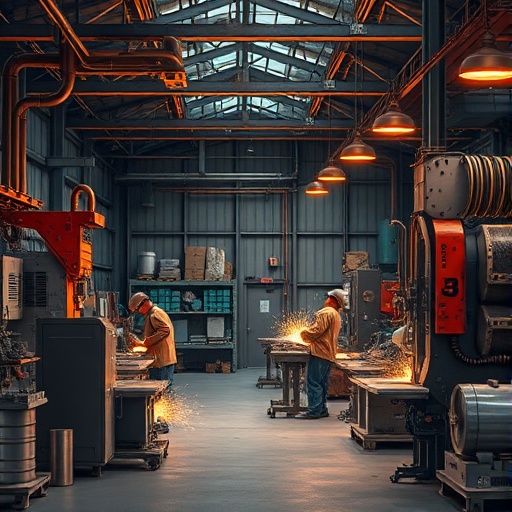
The Role of Automation and Smart Manufacturing
Automation and smart manufacturing redefine CNC metal fabrication services, integrating AI and IoT for predictive maintenance and optimized workflows. Fabricators deploy robotic arms synced with CNC systems to handle sheet metal forming and welding autonomously, boosting throughput in 24/7 operations. In custom metal fabrication services, sensors monitor laser cutting in real-time, adjusting parameters to prevent defects on aluminum or steel. Smart factories enable seamless data flow from design to delivery, cutting lead times for OEMs. Companies use machine learning to analyze fabrication processes, refining bends and TIG welds for peak efficiency. Steel fabrication services benefit from automated inventory tracking, ensuring galvanized steel availability without delays. This trend extends to non-metals like Delrin, where CNC automation supports diverse material handling. Sustainability improves as algorithms minimize waste in metalwork. Fabricators embracing these tools stay ahead, offering agile metal services that adapt to market shifts. The result? Enhanced precision, reduced costs, and innovative solutions driving industry evolution.
Sustainability in Metal Fabrication
Sustainability shapes the future of CNC metal fabrication services, with fabricators prioritizing eco-friendly practices to reduce environmental impact. CNC optimization slashes scrap in laser cutting and bending, recycling aluminum and steel offcuts for reuse in new projects. Companies adopt energy-efficient lasers and waterjet alternatives, lowering power consumption in steel fabrication services. In custom metal fabrication services, biodegradable plastics and Delrin replace virgin materials, while anodizing processes use non-toxic chemicals for corrosion protection. Welding services shift to low-emission MIG setups, minimizing fumes in shop environments. Carbon fiber integration with recycled steel promotes lightweight designs that cut fuel use in aviation and machinery. Fabricators track carbon footprints via CNC software, guiding sustainable sourcing of copper and galvanized steel. Certifications like ISO 14001 validate green commitments, attracting eco-conscious OEMs. This focus not only complies with regulations but also innovates fabrication processes, from laser marking for traceability to closed-loop recycling. Sustainable metalwork ensures long-term viability, balancing profitability with planetary responsibility.
Emerging Technologies: Laser Marking and Beyond
Emerging technologies like laser marking propel CNC metal fabrication services into new realms of functionality and traceability. Fabricators use fiber lasers to etch serial numbers, logos, and barcodes on aluminum, steel, and plastics without compromising surface integrity, ideal for OEM identification. In custom metal fabrication services, this integrates with anodizing for permanent, high-contrast marks on components. Beyond marking, advancements in hybrid CNC systems combine additive manufacturing with traditional machining, layering metal onto sheet metal bases for complex geometries. Steel fabrication services explore 3D-printed molds for bending tools, accelerating prototyping. Innovations in AI-driven CNC predict tool wear during welding, extending equipment life. Carbon fiber and Delrin benefit from precision laser sintering, expanding material options. Companies invest in augmented reality for shop-floor guidance, enhancing accuracy in fabrication processes. These technologies promise faster, smarter metalwork, from copper electronics to aviation parts. Fabricators leading this charge deliver cutting-edge solutions, securing a competitive edge in evolving markets.
See Also
- Laser Cutting vs Traditional Methods Which Is Best for Your Fabrication Needs
- Innovative Fabrication Processes That Are Revolutionizing Metalwork
- Unlocking the Secrets of Custom Metal Fabrication Services for Every Industry
- Diving into the World of Copper and Carbon Fiber in Metal Fabrication
- How Metal Fabrication Services Cater to the Aviation Industry's Unique Demands