The Role of Forging in High-Quality Shaft Production

Understanding Forging in Shaft Manufacturing
What is Forging?
Forging transforms raw metal into strong, durable components essential for manufacturing shafts. Manufacturers heat metal billets and shape them under immense pressure using hammers or presses, aligning the internal grain structure for superior strength. This metalworking technique dates back centuries but thrives in modern shaft production, where precision and reliability matter most. In shaft manufacturing, forging ensures the core material withstands rotational stresses without cracking. Engineers select forging over casting because it eliminates voids and impurities, producing dense shafts ideal for industrial applications. Drive shafts, axles, and tail shafts all benefit from this process, as forged parts exhibit higher tensile strength than machined alternatives. Factories specializing in manufacturing shafts integrate forging early to set the foundation for quality. The process demands skilled machinists who monitor temperature and pressure to avoid defects. Ultimately, forging delivers shafts that endure heavy loads in machinery, from automotive to aerospace, making it indispensable for high-performance engineering.
Types of Forging Processes
Shaft production relies on diverse forging processes to meet specific design needs. Open-die forging involves hammering heated metal between flat dies, allowing free expansion and suiting custom industrial shafts. Manufacturers use this for large axles where flexibility trumps precision. Closed-die forging, or impression-die, presses metal into shaped dies, creating exact contours for drive shafts and rotors. This method excels in high-volume shaft manufacturing, ensuring uniformity across batches. Upset forging thickens metal ends, perfect for shafts needing robust hubs to connect with couplings. Roll forging elongates and tapers bars into precise diameters, streamlining production of long tail shafts. Each type influences shaft components differently; for instance, closed-die yields tighter tolerances for bearing interfaces. In mechanical engineering, selecting the right process balances cost, strength, and complexity. Modern factories combine these with CNC controls for efficiency, enhancing overall shaft quality. Innovations like isothermal forging refine microstructures, pushing boundaries in manufacturing shafts for extreme environments.
Advantages of Forged Shafts
Forged shafts outperform cast or welded counterparts in strength and longevity, making them the choice for demanding applications. The forging process refines grain flow, boosting resistance to fatigue and impact—critical in rotating machinery. Manufacturers achieve seamless integration of shaft design elements, reducing weak points that plague other methods. Cost savings emerge over time, as forged shafts require less maintenance and last longer under stress. In automotive production, forged drive shafts handle high torque without deformation, enhancing vehicle safety. Aerospace sectors favor them for their lightweight yet robust profiles, optimized through precise metalworking. Forged parts also exhibit better machinability post-forging, allowing easy grinding for custom fits. Environmental benefits include less waste, aligning with sustainable manufacturing practices. Engineers leverage these advantages to innovate shaft components, incorporating features like integrated keyways. Overall, forging elevates shaft production standards, delivering reliability that drives industrial progress.
The Importance of Material Selection in Shaft Production
Metals vs. Composites in Shaft Manufacturing
Material choice defines shaft performance in manufacturing shafts, with metals and composites offering distinct benefits. Steel and alloy metals dominate traditional production, providing unmatched strength for industrial shafts under heavy loads. Forged steel shafts excel in transmitting power through drive systems, resisting deformation better than alternatives. Composites, blending fibers with resins, introduce lightweight options for specialized applications. Carbon fiber composite materials reduce weight in aerospace rotors, improving fuel efficiency without sacrificing rigidity. However, metals handle extreme temperatures and corrosion more effectively, suiting marine tail shafts exposed to saltwater. Manufacturers weigh trade-offs: composites lower inertia for faster acceleration but demand careful bonding to avoid delamination. In mechanical engineering, hybrid designs combine metal cores with composite sleeves, merging durability and lightness. Cost factors influence decisions—metals prove economical for mass production, while composites suit premium, low-volume runs. Evaluating these options ensures shaft production aligns with operational demands, from automotive axles to heavy machinery.
The Role of Plastic Materials in Shaft Design
Plastics revolutionize shaft design by offering corrosion resistance and low friction in niche manufacturing shafts. Engineers incorporate polymers like nylon or acetal for lightweight axles in low-load environments, such as consumer electronics or conveyor systems. These materials dampen vibrations, extending bearing life and reducing noise in assembly lines. In shaft production, plastics enable rapid prototyping, allowing quick iterations on designs before committing to metals. Injection-molded plastic shafts integrate seamlessly with couplings, eliminating the need for lubricants in clean-room settings. However, limitations arise in high-torque scenarios, where plastics yield under stress compared to forged metals. Hybrid approaches embed plastic tubes over metal cores, balancing weight savings with strength for tail shafts in recreational vehicles. Sustainability drives adoption, as recyclable plastics cut energy use in manufacturing. Machinists appreciate their ease of grinding and shaping, fostering innovative shaft components. As technology advances, reinforced plastics challenge traditional materials, broadening possibilities in shaft design.
Evaluating Material Strength for High-Quality Shafts
Assessing material strength underpins high-quality shaft production, ensuring components withstand real-world rigors. Engineers conduct tensile tests on metals and composites to measure yield points, vital for drive shafts in power transmission. Fatigue analysis reveals endurance limits, preventing cracks in cyclic operations like rotors. In manufacturing shafts, factors like hardness, ductility, and elasticity guide selections—high-carbon steels suit heavy-duty axles, while titanium alloys target aerospace for their strength-to-weight ratio. Composites undergo shear testing to verify fiber-matrix bonds, crucial for vibration-prone applications. Standards from bodies like ASTM provide benchmarks, helping factories validate materials pre-forging. Environmental influences, such as humidity on plastics or oxidation on metals, factor into evaluations. Advanced simulations predict performance, optimizing shaft design before physical production. This rigorous approach minimizes failures, enhances safety, and boosts efficiency in mechanical engineering projects. Ultimately, thorough strength evaluation delivers shafts that exceed expectations in diverse industries.
Mechanical Engineering Considerations in Shaft Design
Stress Analysis in Shaft Design
Stress analysis forms the backbone of effective shaft design, identifying potential failure points early in manufacturing shafts. Engineers apply finite element methods to model torsional, bending, and axial loads on drive shafts, ensuring uniform distribution. In industrial shafts, uneven stress concentrations around keyways or couplings demand reinforcements like fillets to avert cracks. Software tools simulate real-time operations, factoring in speed and torque for axles in vehicles. This proactive step refines forging parameters, enhancing grain alignment against shear forces. Tail shafts in marine propulsion undergo specialized analysis for hydrodynamic stresses, incorporating wave impacts. Mechanical engineering principles dictate safety factors, often exceeding 1.5 for critical components. Integrating stress data with material properties optimizes weight without compromising integrity. Manufacturers train machinists to interpret results, bridging design and production. Comprehensive analysis not only prevents downtime but also innovates shaft components for higher efficiency.
Fatigue Resistance in Shaft Applications
Fatigue resistance keeps shafts operational under repeated loading, a key focus in shaft manufacturing. Cycles of stress cause microscopic cracks that propagate, leading to sudden failures in rotors or drive shafts. Engineers enhance resistance through surface treatments like shot peening, which compresses outer layers to counter tensile stresses. Material selection plays a pivotal role—forged alloys with refined grains outperform castings in enduring millions of cycles. In automotive axles, nitriding adds hardness, extending life in stop-start traffic. Monitoring via strain gauges during testing validates designs for industrial shafts. Factors like misalignment from poor bearings accelerate fatigue, underscoring holistic system considerations. Innovations include alloy additives that inhibit crack growth, vital for high-speed applications. Mechanical engineering emphasizes predictive modeling to forecast lifespan, reducing recalls. By prioritizing fatigue resistance, manufacturers produce shafts that deliver consistent performance, safeguarding machinery and users alike.
Impact of Couplings and Bearings on Shaft Performance
Couplings and bearings profoundly influence shaft performance, dictating alignment and load handling in manufacturing shafts. Flexible couplings absorb misalignments, preventing vibrations that stress drive shafts and extend component life. Rigid types suit precision rotors, ensuring zero backlash in high-torque setups. Bearings reduce friction, supporting smooth rotation while distributing radial and axial forces on axles. In tail shafts, self-aligning bearings mitigate thermal expansions, avoiding binding. Poor selection amplifies fatigue, leading to premature wear in industrial shafts. Engineers integrate these elements during design, simulating interactions to optimize tolerances. Lubrication systems enhance bearing efficiency, crucial for continuous operations. Advanced materials like ceramic bearings cut weight and heat in aerospace applications. Couplings with shear pins provide overload protection, safeguarding shafts from catastrophic damage. This interconnected approach elevates overall system reliability, making mechanical engineering a symphony of precise integrations.
The Manufacturing Process: From Forging to Finishing
Forging Techniques for Industrial Shafts
Forging techniques shape industrial shafts with precision and strength, starting the manufacturing process robustly. Hot forging heats metals to 900-1200°C, enhancing ductility for complex shapes in drive shafts. Cold forging, at room temperature, suits smaller axles, yielding superior surface finishes and tighter tolerances. Precision forging uses computer-controlled presses to form near-net shapes, minimizing subsequent machining for tail shafts. Manufacturers adapt techniques based on scale—drop hammers for prototypes, hydraulic presses for production runs. Dies crafted from tool steel ensure repeatability, critical for rotor components. Post-forging heat treatments like quenching refine microstructures, boosting hardness. Skilled machinists oversee operations to prevent defects like laps or seams. Integrating sensors monitors force and temperature, refining techniques for efficiency. These methods deliver forged shafts ready for demanding environments, streamlining shaft production workflows.
Grinding and Machining Processes for Precision
Grinding and machining refine forged blanks into precise shafts, ensuring dimensional accuracy in manufacturing. CNC lathes turn rough forgings to exact diameters, creating smooth surfaces for bearing fits on axles. Grinding follows, using abrasive wheels to achieve tolerances under 0.01mm, vital for high-speed rotors. Machinists employ multi-axis mills to cut splines and keyways on drive shafts, balancing speed with tool life. Electrochemical grinding removes material without heat distortion, ideal for heat-sensitive alloys in tail shafts. Coolants prevent warping, maintaining integrity during operations. Automated systems integrate these steps, boosting throughput in industrial shaft production. Quality checks at intervals verify straightness and roundness. Innovations like laser-assisted machining accelerate processes while preserving precision. This finishing sequence transforms raw forgings into functional components, embodying craftsmanship in mechanical engineering.
Quality Control in Shaft Production
Quality control safeguards shaft production, verifying each stage meets stringent standards in manufacturing shafts. Ultrasonic testing detects internal flaws in forgings, ensuring drive shafts free of voids. Dimensional inspections with CMMs confirm tolerances for couplings and bearings interfaces. Non-destructive methods like magnetic particle examination reveal surface cracks on axles. Manufacturers implement ISO certifications, training machinists on protocols for consistent results. Statistical process control tracks variations, adjusting forging parameters proactively. Final audits include load testing to simulate operational stresses on rotors. Traceability systems log materials from billet to finished product, aiding recalls if needed. Environmental controls maintain cleanliness, preventing contamination in precision grinding. Advanced AI vision systems spot defects faster than manual checks. Rigorous quality control not only minimizes defects but also builds trust in manufactured shafts across industries.
Applications and Innovations in Shaft Manufacturing
Use of Shafts in Drive Systems and Rotors
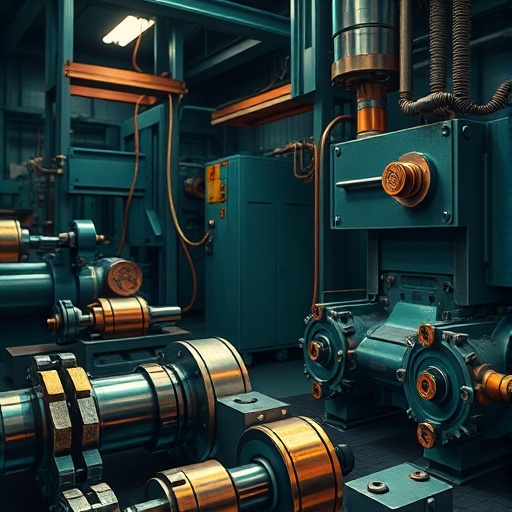
Shafts power drive systems and rotors, forming the mechanical heart of countless machines in shaft manufacturing. Drive shafts transmit torque from engines to wheels in vehicles, enduring twists and bends with forged resilience. In industrial setups, they connect motors to pumps via couplings, enabling fluid dynamics in factories. Rotors in turbines spin at thousands of RPM, relying on balanced shafts to generate electricity efficiently. Tail shafts propel boats, integrating with propellers for marine thrust. Axles support loads in conveyors, incorporating bearings for seamless motion. Belts often pair with shafts in legacy systems, though direct drives gain traction for precision. Mechanical engineering tailors shafts for these roles, optimizing diameters and materials. Custom components like splined ends enhance connectivity. These applications highlight shafts' versatility, driving innovation in energy and transportation sectors.
Future Trends in Shaft Manufacturing Technologies
Future trends in shaft manufacturing technologies promise smarter, greener production processes. Additive manufacturing layers metals for complex internal structures in drive shafts, reducing waste over traditional forging. AI-driven simulations predict fatigue in rotors before prototyping, accelerating design cycles. Hybrid forging combines hot and cold methods for superior properties in industrial shafts. Sustainable practices recycle scrap metals, lowering carbon footprints in axle production. Nanotechnology infuses coatings that repel corrosion, extending tail shaft life in harsh environments. Automation with robotics handles grinding and machining, minimizing human error for precision components. Digital twins mirror production lines virtually, optimizing workflows in real-time. Integration of IoT sensors enables predictive maintenance on manufactured shafts post-installation. These advancements reshape mechanical engineering, making shaft production more efficient and adaptable to evolving demands.
Integration of Advanced Materials in Shaft Production
Advanced materials elevate shaft production, blending innovation with performance in manufacturing shafts. Shape-memory alloys recover from deformations, ideal for adaptive axles in robotics. Graphene-enhanced composites lighten rotors while boosting conductivity for electric vehicles. High-entropy alloys offer unprecedented strength for drive shafts in aerospace, resisting extreme temperatures. Plastics reinforced with carbon nanotubes provide flexible tail shafts for medical devices. Manufacturers experiment with these in forging hybrids, merging metalworking prowess with composite benefits. Testing validates integrations, ensuring compatibility with bearings and couplings. Supply chain shifts toward these materials demand new machinist skills for processing. Environmental gains include reduced weight for fuel savings. Mechanical engineering pioneers these fusions, pushing shaft components toward multifunctional designs. As adoption grows, advanced materials redefine durability and efficiency standards.
See Also
- How Advanced Grinding Methods Transform Shaft Design and Efficiency
- Exploring the Impact of Material Selection on Shaft Durability and Performance
- The Future of Composite Shafts in Automotive Applications and Beyond
- Understanding Stress Analysis in Shaft Manufacturing for Improved Reliability
- Innovative Techniques in Shaft Manufacturing for Enhanced Mechanical Performance