The Role of Thermoplastics in Modern Injection Molding Techniques
Understanding Injection Molding Techniques
Overview of Plastic Injection Molding
Plastic injection molding stands as a cornerstone in modern manufacturing, transforming raw plastic resin into precise, high-volume components. Engineers melt thermoplastic materials under high pressure and inject them into custom molds, where the material cools and solidifies into the desired shape. This process excels in producing everything from automotive parts to consumer electronics housings, offering unmatched efficiency and repeatability. What is plastic injection molding? It involves heating plastic pellets—often thermoplastics like ABS or polypropylene—until they become molten, then forcing this liquid resin into a steel or aluminum injection mold. Once cooled, the injection molded plastic ejects from the mold, ready for assembly or finishing. Manufacturers favor this technique for its speed; a single cycle can take mere seconds, enabling thousands of identical parts daily. The injection molding process demands precise control over temperature, pressure, and cooling to avoid defects, yet it delivers complex geometries that other methods struggle to achieve. Industries rely on it for cost-effective production, scaling from prototypes to mass runs without sacrificing quality. Understanding this overview reveals why plastic injection molding dominates sectors like medical devices and packaging, where durability and intricacy matter most.
Key Components of the Injection Process
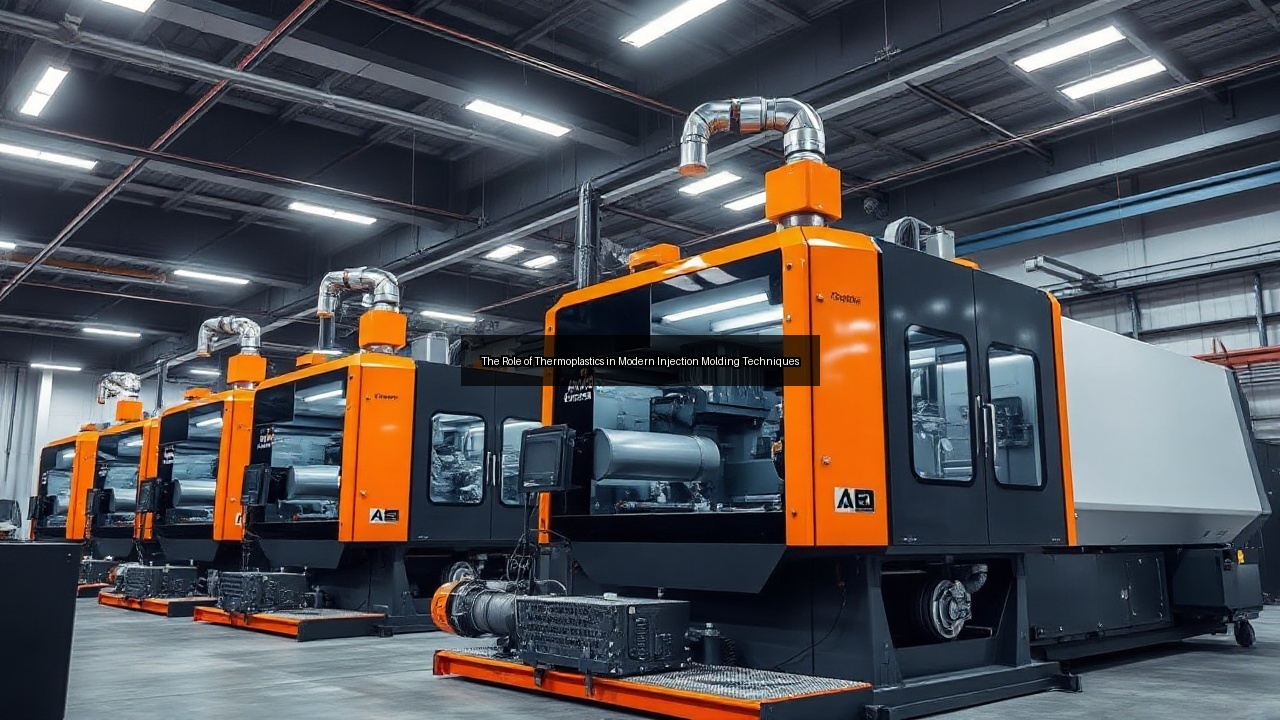
The injection process hinges on several critical components that work in harmony to produce flawless parts. At its core, the injection molding machine features a hopper that feeds plastic resin into a heated barrel, where a screw or plunger melts and mixes the material. This molten thermoplastic then travels through a nozzle into the injection mold, clamped tightly to withstand immense pressures—often exceeding 20,000 psi. Cooling channels within the mold circulate water or oil to solidify the plastic quickly, preventing warping. Ejector pins push the finished injection molded plastic out, while sensors monitor variables like barrel temperature and injection speed. Auxiliary equipment, such as dryers for hygroscopic resins, ensures material consistency. The clamping unit, powered hydraulically or electrically, secures the mold halves during filling. Without these elements, the process falters; for instance, inadequate cooling leads to sink marks or incomplete fills. Operators must calibrate each part meticulously, from resin selection to mold design, to optimize cycle times and minimize waste. This interconnected system underscores the precision engineering behind plastics injection molding, making it indispensable for high-stakes manufacturing environments.
Types of Injection Molding Processes
Injection molding encompasses various processes tailored to specific needs, each leveraging thermoplastics differently. Standard injection molding suits high-volume runs, injecting molten resin into a single cavity mold for simple to moderately complex parts. For intricate designs, multi-cavity molds multiply output in one cycle, ideal for consumer goods like bottle caps. Overmolding combines materials, such as layering soft thermoplastic over rigid bases for ergonomic handles in tools. Insert molding embeds metal or electronic components into plastic during injection, enhancing functionality in devices like smartphone cases. Gas-assisted injection molding introduces pressurized gas to hollow out thick sections, reducing weight and material use in automotive dashboards. Micro-injection molding targets tiny, precise parts under 1 gram, crucial for medical implants. Reaction injection molding mixes reactive resins at lower pressures for large, lightweight structures like truck panels. Each type addresses unique challenges in the injection molding process, from cost to part complexity. Manufacturers select based on production scale, material properties, and end-use demands, ensuring versatility in plastic manufacturing. These variations highlight how injection moulding evolves to meet diverse industry requirements.
The Role of Thermoplastics in Injection Molding
What are Thermoplastic Materials?
Thermoplastic materials define the backbone of injection molding, offering flexibility that thermosets simply can't match. These polymers soften when heated and harden upon cooling, allowing repeated melting and reshaping without chemical change. Unlike thermosets, which cure irreversibly, thermoplastics like polyethylene or nylon respond to heat cycles, making them perfect for the high-pressure injection process. Manufacturers pelletize them for easy handling, then melt at temperatures between 180°C and 300°C depending on the resin. This reversibility enables recycling and reprocessing, cutting waste in plastic injection molding. Thermoplastics exhibit diverse properties: some boast high impact resistance, others chemical stability. Engineers choose based on application—flexible for seals, rigid for housings. The molecular structure, with long chains that slide under heat, underpins their behavior. In practice, additives like stabilizers or colorants enhance performance. Understanding thermoplastics unlocks their pivotal role in creating durable, lightweight products across industries. From toys to aerospace components, these materials drive innovation in molding plastic, balancing cost, strength, and processability.
Common Thermoplastics Used in Injection Molding
Common thermoplastics power the majority of injection molding operations, each selected for unique traits that fit specific applications. Acrylonitrile butadiene styrene, or ABS, reigns supreme for its toughness and impact resistance, shining in LEGO bricks and electronic enclosures. Polypropylene delivers excellent chemical resistance and low cost, ideal for packaging containers and automotive bumpers. Polyoxymethylene, known as acetal or POM, offers superior dimensional stability and low friction, perfect for gears and precision parts. Polycarbonate provides clarity and high strength, used in eyewear lenses and bulletproof glass alternatives. Nylon, or polyamide, excels in wear resistance for bearings and fasteners. High-density polyethylene suits large, flexible items like bottles due to its moisture barrier properties. Polystyrene fills niche roles in disposable cutlery with its rigidity and transparency. Each resin demands tailored processing: ABS requires drying to prevent hydrolysis, while polypropylene flows easily at lower pressures. Manufacturers blend them for hybrid properties, expanding possibilities in injection molded plastic. These staples ensure reliable outcomes in the injection molding process, fueling efficient plastic manufacturing worldwide.
Advantages of Using Thermoplastics
Thermoplastics bring compelling advantages to injection molding, streamlining production while enhancing part performance. Their melt-reheat cycle allows endless recycling, slashing material costs and environmental impact compared to single-use alternatives. High flowability under heat enables intricate designs, filling thin walls and undercuts that metals or thermosets resist. This versatility cuts tooling expenses, as molds handle repeated cycles without degradation. Thermoplastics lighten components—up to 50% less than steel—boosting fuel efficiency in vehicles and portability in gadgets. They resist corrosion, extending lifespan in harsh environments like marine or chemical settings. Color integration during molding eliminates painting, speeding assembly and reducing defects. Low thermal expansion ensures tight tolerances, vital for electronics. Processing speeds reach 30 seconds per part, outpacing alternatives for mass production. Additives customize properties, from UV resistance to flame retardancy. In plastic injection molding, these benefits translate to scalable, economical manufacturing. Industries harness them for everything from medical syringes to toy figurines, proving thermoplastics' edge in delivering value and innovation.
Challenges and Defects in Injection Molding
Identifying Molding Defects: Sink Marks and More
Molding defects plague injection molding if parameters drift, with sink marks topping the list of common issues. These depressions form as thick sections cool unevenly, causing the surface to pull inward while the core shrinks slower. Spot them on bosses or ribs exceeding 2mm depth, often in thermoplastics like ABS where contraction rates hit 0.4-0.9%. Warping twists parts due to residual stresses, evident in asymmetrical cooling on flat panels. Short shots leave incomplete fills, signaling insufficient pressure or cold molds. Flash appears as excess plastic at parting lines from overpacking. Voids trap air bubbles inside, visible via ultrasound or sectioning. Burn marks scorch edges from trapped gases igniting at high temperatures. Stringiness leaves droopy strands post-ejection, tied to poor venting. Color streaks mar aesthetics from inconsistent mixing. Identifying these early involves visual inspections, microscopy, and dimensional checks. In plastics injection molding, defects like sink marks not only scrap parts but inflate costs—up to 10% of production. Thorough scouting prevents escalation, maintaining quality in injection molded plastic.
Troubleshooting Common Injection Molding Issues
Troubleshooting injection molding issues requires a systematic approach, starting with process logs to pinpoint root causes. For sink marks, increase packing pressure or extend hold time to compensate for shrinkage in thermoplastics. Warping demands balanced cooling channels and uniform wall thickness under 3mm. Short shots? Raise melt temperature or injection speed to improve flow. Flash calls for tighter clamp force or mold maintenance to seal gaps. Voids resolve with better venting or slower injection rates to release air gradually. Burn marks vanish by adding vents or lowering temperatures to avoid decomposition. Stringiness improves via optimized screw speeds for uniform shear. Color inconsistencies stem from poor resin drying—preheat hygroscopic materials like nylon to under 0.2% moisture. Always check barrel heat zones; uneven profiles cause degradation. Collaborate with material suppliers for resin-specific advice. In practice, trial runs with parameter tweaks, like boosting back pressure for mixing, yield fixes. Effective troubleshooting in the injection process minimizes downtime, ensuring consistent output in plastic manufacturing. Document solutions for future reference, turning challenges into streamlined operations.
Impact of Material Selection on Defect Rates
Material selection profoundly influences defect rates in injection molding, as each thermoplastic carries unique flow, shrinkage, and thermal traits. High-shrink resins like polypropylene amplify sink marks if not packed adequately, demanding precise control. ABS, with its balanced properties, reduces warping but risks brittleness without impact modifiers. Polyoxymethylene's low moisture absorption cuts voids, yet its rigidity heightens stress cracks under rapid cooling. Poor choices, like using stiff acrylonitrile butadiene styrene for flexible parts, invite failures. Resin viscosity affects fill patterns; low-viscosity grades prevent short shots but may cause flash. Additives alter behavior—glass-filled versions boost strength but increase wear on injection molds. Contaminated or off-spec resin spikes defects by 20-30%, per industry data. Selecting based on application—chemical resistance for polypropylene in tanks—lowers risks. Test melts via rheometers to predict behavior. In plastic injection molding, optimal picks slash scrap by optimizing cycle times and tool life. Engineers weigh cost against performance, ensuring material decisions drive defect-free production and profitability.
Optimizing the Injection Molding Process
Process Optimization Techniques
Process optimization techniques elevate injection molding from good to exceptional, fine-tuning variables for peak efficiency. Start with design for manufacturability, ensuring uniform wall thicknesses to even cooling and curb warping. Implement scientific molding, where engineers establish baseline parameters via Design of Experiments, varying speed, pressure, and temperature systematically. Adopt cavity pressure transducers for real-time monitoring, adjusting packs to hit 80-95% fill before switching to hold. Hot runner systems minimize gate freezes, speeding cycles by 20%. Energy-efficient electric machines replace hydraulics, cutting power use while boosting precision. Software like Moldflow simulates flows, predicting defects like sink marks pre-production. Regular mold maintenance—cleaning vents, polishing surfaces—prevents inconsistencies. Operator training on machine interfaces ensures consistent setups. Recycling sprues back into the hopper sustains material loops. These techniques in the injection molding process yield 10-15% throughput gains, reducing defects and energy costs. Manufacturers who optimize holistically achieve leaner operations, delivering high-quality injection molded plastic on demand.
Reading and Interpreting Molding Parameters
Reading and interpreting molding parameters unlocks the secrets of a stable injection process, turning data into actionable insights. Monitor injection speed via machine displays; rates of 50-100 mm/s suit most thermoplastics, preventing short shots or overheating. Barrel temperatures, profiled across zones, range 200-280°C—too low causes incomplete melts, too high degrades resin. Mold temps at 40-80°C control cooling rates, avoiding sink marks in ABS. Pressure curves reveal fill dynamics; peak injection pressure flags resistance, while pack pressure sustains density. Clamp tonnage, calculated as projected area times 4-6 tons/in², secures molds against flash. Cycle time breakdowns—fill, pack, cool, eject—highlight bottlenecks; aim for under 30 seconds total. Software logs provide graphs for trend analysis, spotting drifts like rising back pressure from worn screws. Interpreting these, operators adjust for resin variations, like slowing for viscous polyoxymethylene. In plastic injection molding, mastering this reading equips teams to maintain quality, troubleshoot proactively, and optimize for efficiency. Accurate interpretation prevents costly overruns, ensuring smooth manufacturing plastic flows.
Case Studies on Successful Process Improvements
Case studies illuminate successful process improvements in injection molding, showcasing real-world transformations. A packaging firm tackled sink marks in polypropylene caps by implementing scientific molding, adjusting pack pressure from 80% to 95% full, slashing defects by 40% and boosting yield to 99%. An automotive supplier optimized overmolding for ABS handles, integrating hot runners to cut cycle times from 45 to 28 seconds, saving $150K annually in labor. Medical device makers reduced voids in polycarbonate syringes via flow simulation software, redesigning gates for even fills and dropping scrap from 12% to 2%. A toy manufacturer troubleshooting flash on nylon figures added vent depth, combined with clamp force recalibration, eliminating leaks and extending mold life by 25%. Electronics housing production improved with electric machines, achieving precise temperature control for polyoxymethylene, which minimized warping and energy use by 30%. These examples highlight process optimization's power: data-driven tweaks, from parameter tuning to tooling upgrades, deliver measurable gains. In injection moulding, such improvements not only cut costs but elevate product reliability, proving the value of iterative refinement.
Sustainability in Injection Molding: The Use of Recycled Plastics
The Role of Recycled Plastic in Modern Manufacturing
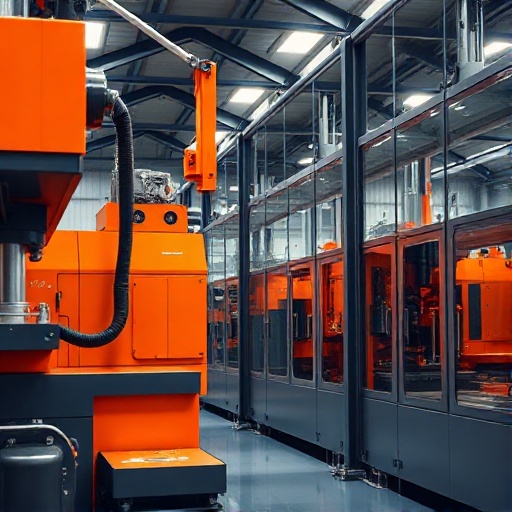
Recycled plastic reshapes modern manufacturing, injecting sustainability into injection molding without compromising quality. Post-consumer resins, like rPET from bottles, replace virgin thermoplastics in non-critical parts, diverting waste from landfills—global plastic production hits 400 million tons yearly, with recycling capturing just 9%. In the injection process, processors grind flakes, extrude into pellets, and dry for use, blending up to 50% with new material for caps or crates. This closes loops, reducing virgin resin demand and fossil fuel reliance. Automotive sectors incorporate recycled polypropylene for interior trim, meeting regulations like EU's 25% recycled content mandate by 2030. Recycled ABS finds homes in electronics, maintaining impact strength. Challenges include variability in properties, yet advanced sorting via spectroscopy ensures consistency. The role extends to economic perks: recycled feedstocks cost 20-30% less, stabilizing supplies. In plastic manufacturing, embracing recycled plastic fosters circular economies, aligning injection molding with eco-goals while delivering durable products.
Advantages and Challenges of Using Recycled Materials
Using recycled materials in injection molding offers advantages like cost savings and environmental wins, but challenges demand savvy management. Advantages shine in reduced carbon footprints—recycled polypropylene cuts emissions by 80% versus virgin—while conserving resources; one ton of rHDPE saves 1.5 tons of oil. Mechanical properties often match primaries, with recycled ABS yielding tough housings. Availability surges from urban mining, supporting local sourcing. Challenges include contamination, causing discoloration or weak spots; rigorous washing and NIR sorting mitigate this. Inconsistent melt flow raises defect risks like sink marks, requiring parameter tweaks like higher temperatures. Regulatory hurdles vary, with FDA approvals tougher for food-contact recycled plastic. Degradation from prior use shortens chains, lowering impact strength—additives like compatibilizers restore integrity. Processing recycled polyoxymethylene demands extra drying to avoid hydrolysis. Despite hurdles, blending strategies and quality controls make it viable, balancing sustainability with performance in the molding process. Manufacturers gain green credentials, appealing to eco-conscious markets.
Future Trends in Sustainable Injection Molding
Future trends in sustainable injection molding point to bio-based and fully circular systems, revolutionizing thermoplastic use. Expect widespread adoption of bio-resins from corn or algae, offering drop-in replacements for polypropylene with 50% lower lifecycle emissions. Advanced recycling tech, like chemical depolymerization, breaks plastics into monomers for pristine recycled plastic, eliminating quality loss. AI-driven process optimization will predict and minimize waste, integrating sensors for real-time adjustments in injection parameters. 3D-printed molds from recycled metals speed prototyping, cutting lead times. Legislation pushes recycled content mandates, spurring investment—by 2030, 60% of plastics could incorporate recyclates. Hybrid machines blending electric and hydraulic efficiency further green operations. Collaborations with waste firms ensure steady feedstock, while blockchain tracks material origins for transparency. Innovations like self-healing additives extend part life, reducing replacements. In plastic injection molding, these trends promise a net-zero future, harmonizing production with planetary health. Manufacturers positioning now will lead in eco-innovation, meeting rising demands for responsible manufacturing plastic.