The Sustainable Shift Why Eco-Friendly Stick Packs Are Gaining Popularity in the Industry
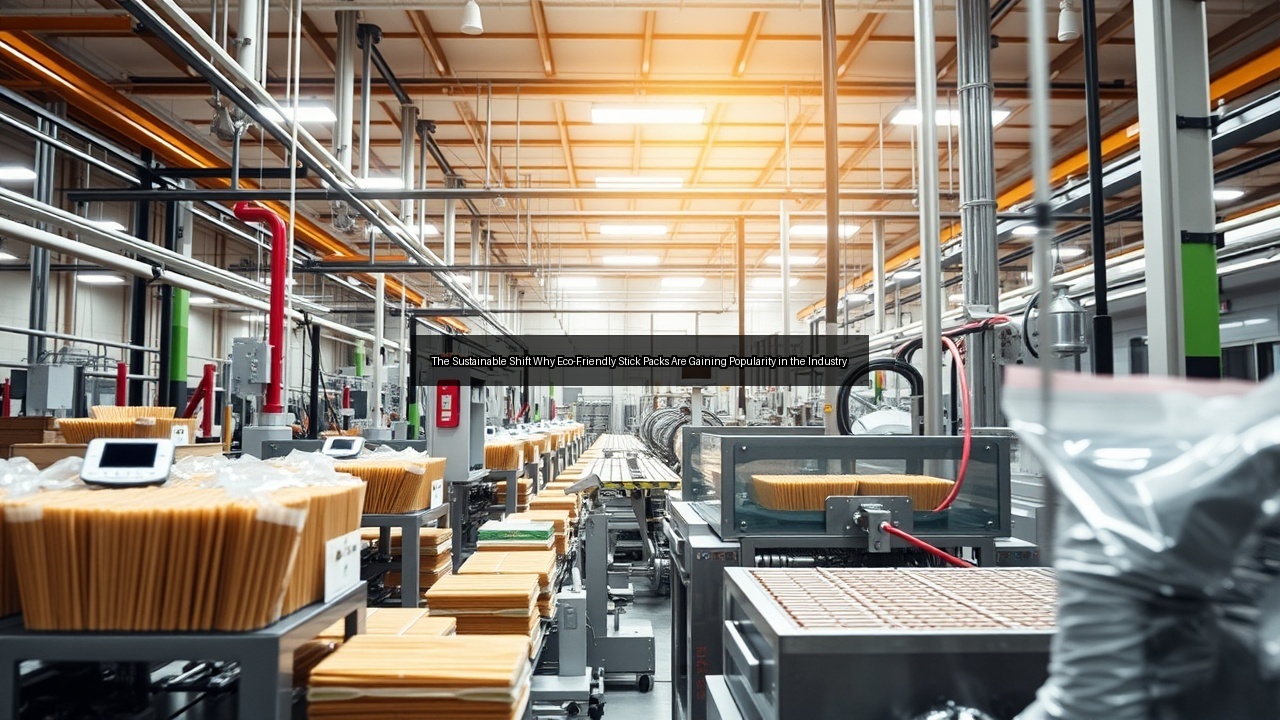
Understanding the Rise of Eco-Friendly Stick Packs
The Shift Towards Sustainability in the Packaging Industry
Brands in the packaging industry now prioritize sustainability to meet global environmental goals. Eco-friendly stick packs lead this transformation as versatile, single-serve packaging solutions. Manufacturers innovate with biodegradable materials that break down naturally, reducing landfill waste. This shift stems from regulatory pressures and corporate responsibility initiatives. Companies seek packaging suppliers who specialize in stick pack production to align with zero-waste targets. Traditional plastic packs once dominated due to low costs, but rising awareness of ocean pollution and carbon footprints drives change. Stick pack manufacturers respond by developing compostable films from plant-based sources like cornstarch. These advancements cut reliance on fossil fuels and appeal to eco-conscious markets. In the packaging industries, sustainability boosts brand loyalty and opens new contracts with retailers demanding green credentials. Producers track inventory closely to ensure consistent supply of recycled content, minimizing disruptions. Overall, this evolution positions sustainable stick packs as a cornerstone of modern packaging, fostering innovation while addressing planetary challenges.
The packaging material in eco-friendly stick packs often incorporates post-consumer recycled plastics, enhancing circular economy principles. Manufacturers collaborate with suppliers to source verifiable recycled inputs, ensuring accuracy in material composition. This not only complies with industry standards but also reduces virgin plastic usage by up to 50 percent in some cases. As packaging manufacturers pivot, they invest in research to improve barrier properties without compromising recyclability. For instance, stick pack solutions for food and beverage sectors, like drink mixes, now feature mono-materials that streamline recycling processes. This strategic shift empowers brands to communicate their sustainability story effectively, turning packaging into a marketing asset. Consumers notice these efforts, influencing purchase decisions and pressuring the supply chain for broader adoption. Ultimately, the packaging industry's move toward eco-friendly stick packs signals a committed response to climate imperatives, reshaping production norms for long-term viability.
Consumer Demand for Eco-Friendly Products
Consumers increasingly choose products with minimal environmental impact, propelling eco-friendly stick packs to the forefront. Surveys reveal that over 70 percent of shoppers prefer brands using sustainable packaging, especially for on-the-go items like drink mixes. This demand stems from heightened awareness of plastic pollution and personal carbon footprints. Retailers stock more stick pack options from packaging suppliers who emphasize recyclability, meeting customer expectations for convenience without compromise. Brands leverage this trend in branding strategies, highlighting eco-credentials on labels to build trust. Stick pack manufacturers report surging leads from companies seeking compliant, green alternatives. Consumers value transparency, so producers provide detailed information on material sourcing and end-of-life disposal. This focus on sustainability influences inventory management, as manufacturers stock more bio-based films to fulfill orders promptly. In competitive markets, failing to offer eco-friendly packs risks losing market share to innovative competitors. The rise in demand also encourages educational campaigns that inform consumers about proper recycling, closing the loop on waste reduction.
Younger demographics, particularly millennials and Gen Z, drive this consumer shift, viewing sustainable choices as essential lifestyle elements. They seek stick pack solutions that align with values like ethical sourcing and low emissions. Packaging industries respond by customizing designs for various products, from supplements to instant beverages, all while maintaining accuracy in portioning. Brands that integrate recycled materials into their packs see higher repeat purchases, as customers associate quality with responsibility. Manufacturers play a key role by offering contract services tailored to consumer preferences, ensuring scalability. This demand fosters partnerships across the supply chain, where packaging manufacturers collaborate with raw material providers for consistent quality. As awareness grows, even everyday items in stick packs gain premium appeal, justifying slight price increases. Consumers reward brands that prioritize planet-friendly packaging, creating a virtuous cycle of innovation and adoption that sustains industry growth.
The Benefits of Stick Packs in Eco-Friendly Packaging
Flexible Packaging Solutions for Brands
Brands embrace flexible packaging solutions like eco-friendly stick packs for their adaptability and efficiency in the market. These slim, portable packs suit diverse products, from nutritional powders to drink mixes, offering precise portion control. Stick pack manufacturers design them with customizable sizes and shapes, allowing brands to tailor fits for specific needs. This flexibility reduces material usage compared to rigid containers, aligning with sustainability goals. Packaging suppliers provide options with resealable features or tear notches, enhancing user experience while minimizing waste. In the packaging industry, such solutions streamline logistics, as stick packs occupy less space in inventory and shipping. Brands benefit from vibrant printing capabilities that support bold branding, making products stand out on shelves. Manufacturers ensure high accuracy in filling and sealing, preventing leaks and maintaining product integrity. Overall, flexible stick packs empower brands to respond quickly to market trends, fostering customer satisfaction and loyalty through innovative, green designs.
The versatility of stick packs extends to various sectors, including pharmaceuticals and cosmetics, where hygiene and portability matter. Packaging manufacturers innovate with multi-layer films that protect contents without excess material, promoting recyclability. Brands gain competitive edges by specifying eco-materials in contracts with stick pack producers, ensuring compliance with sustainability pledges. This approach cuts down on over-packaging, a common issue in traditional formats. Supply chain efficiencies arise as these packs integrate seamlessly into automated production lines, boosting throughput. Consumers appreciate the convenience, often citing ease of use in feedback. As branding evolves, stick packs become canvases for storytelling, with labels detailing recycled content percentages. Manufacturers track trends to offer proactive solutions, like UV-resistant films for light-sensitive items. Ultimately, flexible packaging in stick form delivers multifaceted benefits, from cost savings to environmental stewardship, positioning brands as forward-thinking leaders in their fields.
Recyclable Materials and Their Impact
Recyclable materials in stick packs revolutionize the packaging industry by minimizing long-term environmental harm. Brands opt for mono-polymer films that enter standard recycling streams, unlike multi-layer plastics that complicate processing. Stick pack manufacturers source these materials from certified suppliers, ensuring high recycled content without sacrificing durability. This shift impacts waste management positively, as more packs divert from landfills to reprocessing facilities. In applications like drink mixes, recyclable stick packs maintain freshness while enabling easy consumer recycling. Packaging industries see reduced carbon emissions through lighter materials that lower transportation fuel needs. Consumers play a vital role by sorting these packs correctly, amplifying the impact on circular economies. Manufacturers emphasize education on recycling protocols, boosting participation rates. The use of recycled inputs also conserves resources, preserving raw materials for future generations. Brands that highlight recyclability in their messaging strengthen customer bonds, as shoppers feel empowered in their eco-choices.
The broader impact extends to regulatory landscapes, where governments incentivize recyclable packaging to curb pollution. Stick pack solutions with bio-degradable additives break down faster if not recycled, offering dual benefits. Packaging suppliers innovate with traceable materials, allowing brands to verify sustainability claims accurately. This transparency builds trust and avoids greenwashing accusations. In manufacturing, switching to recyclables streamlines operations, as compatible equipment handles them efficiently. Inventory management improves with consistent material specs, reducing defects. For the packaging material sector, demand for recyclates spurs investment in collection infrastructure. Consumers report higher satisfaction with brands using such packs, influencing market dynamics. Challenges like contamination persist, but ongoing R&D addresses them through cleaner designs. Recyclable stick packs thus drive systemic change, fostering a more resilient and responsible packaging ecosystem that benefits all stakeholders.
Cost Efficiency and Waste Reduction
Cost efficiency defines the appeal of eco-friendly stick packs, delivering savings across production and distribution. Brands achieve lower material costs by using thinner, recycled films that perform comparably to conventional options. Stick pack manufacturers optimize processes to minimize scrap, with precision machinery ensuring near-zero waste in filling operations. This efficiency translates to reduced inventory holding costs, as compact packs stack efficiently. In the supply chain, lighter weight cuts shipping expenses, benefiting packaging suppliers and end-users alike. Waste reduction occurs through closed-loop systems where trimmings feed back into production. For products like drink mixes, accurate dosing prevents overfilling, further slashing losses. Brands negotiate better contracts with manufacturers offering scalable stick pack production, aligning costs with volume needs. Consumers indirectly support this by choosing efficient packs, pressuring the industry toward leaner practices. Overall, these packs balance fiscal prudence with ecological gains, proving sustainability enhances profitability.
Beyond immediate savings, long-term cost efficiencies emerge from compliance with evolving regulations, avoiding fines for non-green packaging. Packaging industries invest in training to handle waste-minimizing techniques, yielding higher yields and fewer returns. Stick pack solutions incorporate modular designs that adapt to product changes without retooling, saving on R&D expenses. Manufacturers track metrics like waste-to-output ratios to refine operations continuously. Branding benefits too, as eco-efficient packs attract premium pricing from discerning customers. Supply chain partners collaborate on just-in-time delivery, reducing excess stock and associated costs. In manufacturing hubs, energy-efficient lines for stick packs lower utility bills. Consumers value the reduced environmental footprint, often willing to pay more for such thoughtful packaging. This synergy creates a robust model where cost efficiency and waste reduction propel industry-wide adoption, ensuring competitive advantages for proactive brands.
The Role of Stick Pack Manufacturers in Sustainable Practices

How Manufacturers Are Adapting to Sustainability Trends
Stick pack manufacturers lead the charge in adapting to sustainability trends, transforming operations to prioritize green practices. They invest in renewable energy sources for factories, cutting emissions during production. Brands partner with these manufacturers for custom eco-solutions, like packs made from ocean-recovered plastics. This adaptation involves redesigning machinery for recyclable materials, ensuring seamless integration without quality dips. Packaging suppliers expand offerings to include compostable options, meeting diverse client needs. Manufacturers conduct life-cycle assessments to identify improvement areas, from sourcing to disposal. In the packaging industry, this proactive stance generates leads from sustainability-focused brands seeking reliable partners. Inventory systems now track eco-material usage, promoting accountability. For drink mixes and similar products, manufacturers fine-tune processes for minimal energy use, aligning with global standards. Customers appreciate the transparency, fostering long-term contracts. These adaptations not only comply with trends but also innovate, positioning manufacturers as industry pioneers.
Collaboration defines adaptation, as stick pack manufacturers join alliances with raw material providers for sustainable innovations. They adopt digital tools for accurate forecasting, optimizing supply chains to reduce overproduction waste. Branding plays a role, with manufacturers offering co-development services to embed sustainability into product identities. Packaging industries benefit from shared knowledge on best practices, accelerating adoption. Challenges like material availability prompt diversification, ensuring steady supply. Manufacturers train staff on green protocols, enhancing overall efficiency. Consumers influence this through feedback loops, demanding verifiable claims. In contract manufacturing, sustainability clauses become standard, driving ethical sourcing. Stick pack production evolves with automation that conserves resources, like waterless printing. Ultimately, these adaptations build resilient businesses that thrive amid environmental shifts, delivering value to brands and society alike.
Certifications and Compliance in Eco-Friendly Manufacturing
Certifications anchor eco-friendly manufacturing, providing assurance of sustainable practices in stick pack production. Manufacturers pursue ISO 14001 for environmental management, demonstrating commitment to reducing impacts. Brands require these credentials in contracts, ensuring compliance with international standards. Packaging suppliers display certifications like FSC for responsibly sourced materials, building trust. In the supply chain, compliance streamlines audits, minimizing disruptions. Stick pack manufacturers implement rigorous testing for recyclability, achieving labels from bodies like the Association of Plastic Recyclers. This focus on accuracy verifies material purity, preventing contamination issues. Customers, including retailers, prioritize certified packs for their shelves, boosting sales potential. For products like drink mixes, certifications guarantee safe, green packaging. Manufacturers maintain detailed records to support claims, aiding marketing efforts. Compliance extends to labor and emissions, creating holistic sustainability profiles. These efforts not only meet regulations but elevate industry benchmarks, encouraging widespread adoption.
Beyond basics, advanced certifications like Cradle to Cradle highlight full circularity in stick pack solutions. Packaging industries leverage them for competitive differentiation, attracting eco-leads. Manufacturers conduct regular compliance checks, integrating feedback to refine processes. Branding incorporates certification icons, resonating with conscious consumers. Supply chain transparency improves with blockchain tracking for certified materials. Inventory management aligns with certification requirements, ensuring batch traceability. Challenges arise in global compliance, but manufacturers navigate them through expert consultations. For contract packers, certifications open doors to premium clients demanding verified sustainability. Consumers reward compliant brands with loyalty, as seen in rising demand for certified products. Innovative manufacturers go further, seeking carbon-neutral status to lead the pack. Ultimately, certifications and compliance fortify the foundation of eco-manufacturing, driving ethical progress and market success.
Challenges and Innovations in Stick Pack Production
Supply Chain Considerations for Eco-Friendly Materials
Supply chain considerations challenge stick pack production, particularly for eco-friendly materials that vary in availability. Manufacturers mitigate risks by diversifying suppliers, ensuring steady recycled content inflows. Brands face delays if global disruptions affect bio-based sourcing, prompting robust contingency plans. Packaging suppliers invest in local partnerships to shorten lead times and reduce emissions. In the packaging industry, traceability tools like RFID track materials from origin to pack, enhancing accuracy. Inventory buffers absorb fluctuations, preventing stockouts for high-demand items like drink mixes. Sustainability demands ethical audits of suppliers, verifying no deforestation in material production. Stick pack manufacturers collaborate on bulk purchasing to stabilize prices. Consumers indirectly influence chains by preferring traceable packs, pressuring transparency. Challenges include higher costs for certified recyclables, but long-term savings offset them. Overall, strategic supply chain management turns obstacles into opportunities for resilient, green operations.
Innovations like predictive analytics forecast material needs, optimizing inventory and reducing waste. Packaging industries adopt circular supply models, where used packs return for reprocessing. Manufacturers negotiate contracts with clauses for sustainable sourcing, aligning partners' goals. Branding highlights supply chain ethics, appealing to informed customers. For stick pack solutions, modular logistics adapt to seasonal demands. Compliance with trade regulations ensures smooth international flows. Challenges persist in scaling eco-materials for volume production, but R&D bridges gaps. Supply chain visibility empowers brands to make informed choices, fostering trust. As consumers demand more, manufacturers evolve chains toward zero-waste ideals, integrating tech for efficiency. This dynamic approach sustains production while advancing sustainability across the board.
Innovative Manufacturing Techniques for Sustainability
Innovative manufacturing techniques propel sustainability in stick pack production, focusing on resource conservation. Manufacturers deploy 3D printing for custom tooling, minimizing metal waste. Brands benefit from solvent-free lamination processes that eliminate harmful chemicals. Packaging suppliers adopt AI-driven monitoring for real-time efficiency tweaks, cutting energy use by 20 percent. In the industry, ultrasonic sealing replaces adhesives, enhancing recyclability. Stick pack manufacturers experiment with enzymatic degradation additives for faster breakdown. Accuracy in dosing improves with robotic arms, reducing product loss. For drink mixes, vacuum forming optimizes material distribution. Sustainability integrates via modular lines that switch between materials seamlessly. Customers see value in these techniques through durable, green packs. Challenges like initial investments yield returns via lower operational costs. These innovations redefine manufacturing, blending creativity with environmental stewardship.
Further advancements include bio-mimicry in designs that emulate natural efficiencies, like self-healing films. Packaging industries scale techniques through pilot programs, proving viability. Manufacturers train on sustainable protocols, embedding them in culture. Branding showcases tech stories, engaging eco-audiences. Supply chain integrations allow just-in-time material delivery, curbing excess. Compliance testing validates innovations against standards. For contract production, flexible techniques accommodate varied specs. Consumers drive adoption by favoring innovative packs. Ongoing R&D explores nanotechnology for stronger, lighter materials. Challenges in tech adoption fade with collaborative ecosystems. Ultimately, these techniques forge a sustainable future for stick packs, enhancing performance and planetary health.
The Future of Stick Packs in the Packaging Industry
Trends in Branding and Consumer Preferences
Trends in branding reshape stick packs, emphasizing storytelling around sustainability to capture consumer preferences. Brands integrate QR codes linking to eco-impact data, personalizing engagement. Consumers favor minimalist designs with clear recyclability cues, influencing pack aesthetics. Packaging suppliers offer customizable branding kits for stick packs, enabling quick market adaptations. In the industry, personalization via variable printing meets niche demands, like vegan-certified drink mixes. Stick pack manufacturers align with trends by providing AR previews for virtual try-ons. Preferences lean toward multifunctional packs, such as those doubling as measuring tools. Sustainability certifications amplify branding power, drawing loyal customers. Inventory strategies anticipate trend shifts, stocking versatile materials. Challenges include balancing creativity with compliance, but successes build market leaders. These trends evolve consumer interactions, making stick packs integral to brand identities.
Future preferences highlight inclusivity, with packs in multiple languages or accessible features. Branding evolves to community-driven narratives, co-creating with consumers. Packaging industries track social media for real-time insights, refining offerings. Manufacturers innovate with color-changing indicators for freshness, tying into health trends. For stick pack solutions, subscription models boost recurring branding exposure. Consumers prioritize ethical transparency, rewarding authentic sustainability. Supply chains adapt to trend-driven demands, ensuring agility. Overall, branding and preferences converge to elevate stick packs as dynamic, consumer-centric tools in the evolving landscape.
Opportunities for Growth in Sustainable Packaging
Opportunities for growth abound in sustainable packaging, with stick packs at the vanguard for expansion. Brands explore emerging markets where eco-awareness rises, exporting green solutions. Packaging suppliers scale production for global demands, tapping into e-commerce booms. In the industry, partnerships with startups innovate hybrid materials, opening new segments. Stick pack manufacturers secure contracts for high-volume, sustainable runs, like plant-based drink mixes. Sustainability drives investment in R&D, yielding patents for competitive edges. Consumers' willingness to pay premiums fuels revenue growth. Inventory optimization via data analytics supports scaling without waste. Challenges like regulatory harmonization create unified opportunities. Growth extends to education initiatives, positioning manufacturers as thought leaders. These prospects promise a thriving sector where sustainability equals profitability.
Further opportunities lie in vertical integration, controlling supply chains for cost efficiencies. Branding leverages growth through global campaigns highlighting eco-innovations. Packaging industries forecast double-digit rises in sustainable stick pack adoption. Manufacturers diversify into adjacent fields, like medical packaging. Compliance advancements ease market entry. For customers, tailored solutions build lasting relationships. Trends toward urban mining for recyclables enhance material security. Overall, growth in sustainable packaging unlocks vast potential, rewarding visionary players with enduring success.
See Also
- The Rise of Flexible Packaging How Stick Pack Solutions Are Transforming the Market
- Navigating Compliance What Every Stick Pack Manufacturer Needs to Know
- Maximizing Accuracy in Stick Pack Production Ensuring Quality from Start to Finish
- From Concept to Consumer The Journey of Stick Pack Production in Today’s Market
- Building Your Brand with Stick Packs Unique Strategies for Packaging Success