The Ultimate Guide to Electric Motors Which Type is Right for Your Project
Understanding Electric Motors
What Are Electric Motors?
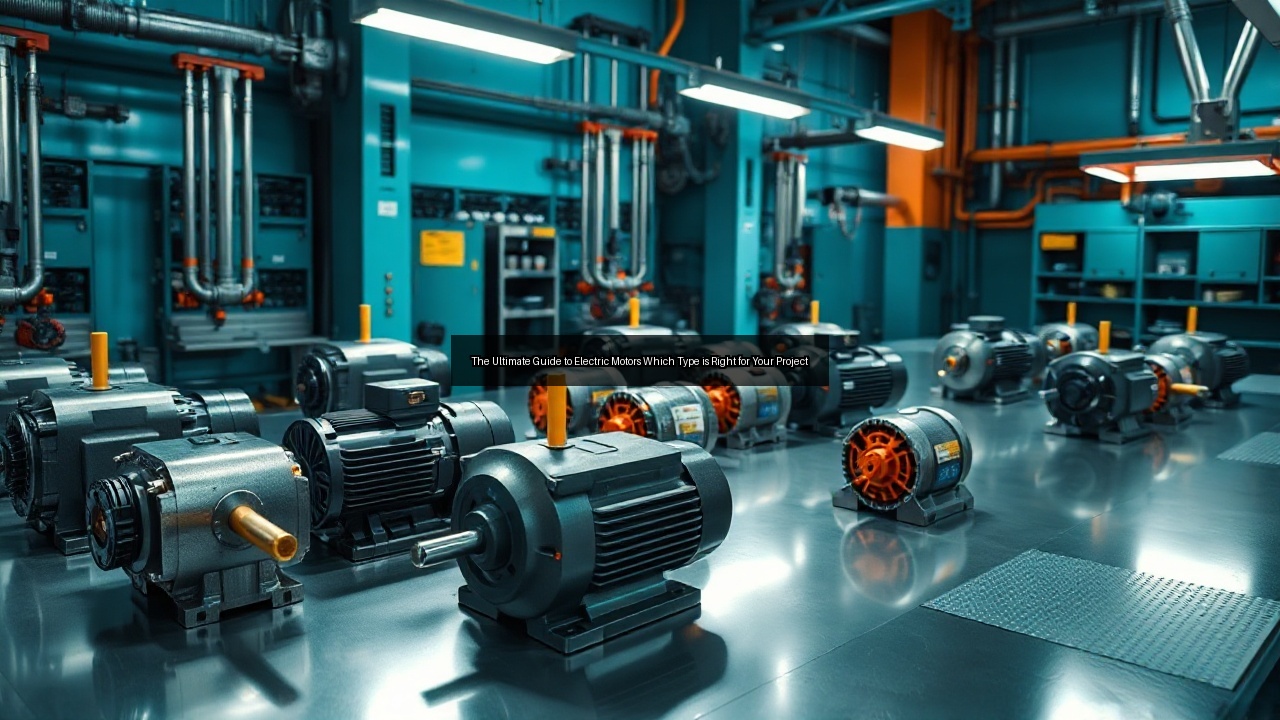
Electric motors convert electrical energy into mechanical power, driving everything from household appliances to industrial machinery. At their core, these devices rely on electromagnetic principles to generate motion. When current flows through a coil or wire in a magnetic field, it produces force that rotates a shaft. This fundamental process powers fans, pumps, electric vehicles, and robotics. Types of electric motors vary widely, including DC motors, AC motors, and specialized variants like brushless motors. Engineers design them using materials such as electrical steel for cores to enhance efficiency and reduce energy loss. Understanding electric motor basics helps hobbyists and professionals alike select components that match project needs. For instance, a simple DC electric motor might suit a small robot, while robust AC induction motors handle heavy factory loads. These machines operate on principles discovered by Michael Faraday in the 19th century, yet modern iterations incorporate advanced features like permanent magnets for stronger fields. Without electric motors, modern life grinds to a halt—think elevators, conveyor belts, and even computer hard drives. Exploring electric motor types reveals how each suits specific voltage, speed, and torque demands. Sensors often integrate to monitor performance, ensuring reliability in dynamic environments. As projects grow complex, grasping these essentials prevents costly mismatches and boosts overall system efficiency.
Delving deeper, electric motors split into rotary and linear categories, though rotary dominates most applications. A typical setup includes a stator (stationary part) and rotor (rotating part), with windings or magnets creating the necessary fields. Power sources range from batteries for DC variants to grid electricity for AC models. Maintenance involves checking bearings and windings to avoid overheating. Innovations like non-magnetic materials in certain designs minimize interference in sensitive electronics. Calculators online help estimate power requirements based on load and duty cycle. In essence, electric motors embody engineering elegance, transforming invisible forces into tangible work. Whether you're building a DIY gadget or scaling an industrial setup, knowing what electric motors do sets the foundation for success.
Importance of Selecting the Right Motor
Choosing the correct type of motor prevents project failures and optimizes performance. A mismatched electric motor leads to inefficiency, overheating, or outright breakdown under load. Consider torque needs: a high-torque motor handles heavy starts, while low-torque options suit steady speeds. Efficiency ratings matter too—brushless DC motors often outperform brushed counterparts by reducing friction losses. In applications like drones, weight becomes critical; lightweight brushless motors excel here. Budget plays a role, but skimping risks higher long-term costs from repairs. Environmental factors, such as dust or moisture, demand sealed enclosures or specific materials like electrical steel for durability. Selecting from categories of electric motors—DC, AC, synchronous—aligns with power availability. For battery-powered projects, DC motors shine due to easy speed control via voltage variation. AC motors, conversely, thrive in constant-power scenarios like HVAC systems. Ignoring these details derails timelines and inflates expenses. Experts recommend prototyping with timers to test runtime under real conditions. Sensors provide feedback on temperature and vibration, aiding fine-tuning. Ultimately, the right electric motor elevates a project from functional to exceptional, ensuring reliability and energy savings. Professionals at firms like Dietz Electric emphasize matching motor specs to application demands for peak results.
Beyond basics, regulatory standards influence choices—energy-efficient models comply with green initiatives. Scalability matters for expanding projects; modular motors allow upgrades without full redesigns. User safety hinges on proper selection, avoiding shocks from faulty insulation. In competitive markets, innovative motor types like permanent magnet synchronous motors offer edges in precision tasks. Thoughtful selection fosters innovation, turning concepts into market-ready solutions. Always consult datasheets and tools like motor calculators to validate decisions early.
Categories of Electric Motors
DC Motors: Definition and Types
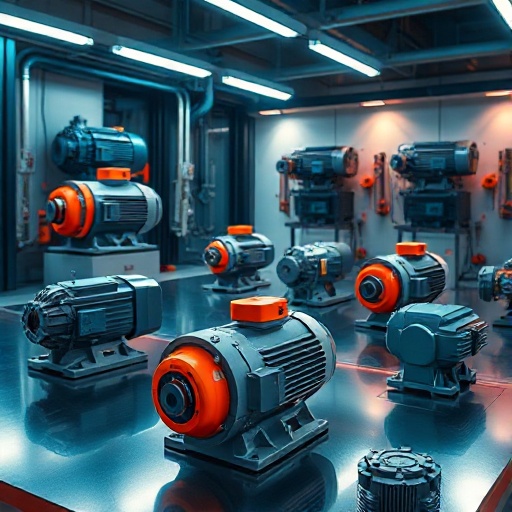
DC motors run on direct current, delivering straightforward speed control and high starting torque. They operate by passing current through a commutator, which reverses direction in the armature to maintain rotation. Common types include series, shunt, and compound configurations, each balancing speed and torque differently. Series DC motors provide massive startup power for cranes or trains, while shunt versions maintain constant speed under varying loads, ideal for lathes. Compound motors combine both for versatile industrial use. Brushed DC motors represent the classic form, but brushless DC motors (BLDC motors) gain popularity for their longevity. These dc electric motors suit portable devices, from power tools to electric bikes, thanks to battery compatibility. Permanent magnets in some designs boost efficiency by strengthening fields without extra power. Electrical steel laminations minimize eddy currents, enhancing performance. Vibrations arise from mechanical contacts, but proper mounting reduces them. In robotics, DC motors enable precise positioning via PWM signals. Types of electric motors like these dominate hobbyist scenes for their affordability and ease of integration. Selecting a DC motor involves matching voltage ratings to sources—12V for small projects, 48V for larger ones. Sensors monitor RPM, ensuring smooth operation. Overall, DC motors offer reliability in variable-speed applications, powering innovations across sectors.
Advancements include coreless designs that eliminate iron for lighter weight and lower inertia. Torque motors, a DC subset, deliver high force at zero speed, perfect for actuators. Maintenance focuses on brushes, which wear over time. Compared to AC alternatives, DC motors excel in low-voltage setups but require converters for AC sources. Online calculators help size them based on inertia and acceleration needs. As electric vehicle demand surges, DC variants evolve with better thermal management.
AC Motors: An Overview
AC motors harness alternating current from standard outlets, simplifying installations in homes and factories. They divide into induction and synchronous types, with induction dominating due to ruggedness and low cost. AC induction motors create torque via induced currents in the rotor, slipping slightly behind the stator field for operation. Single-phase AC motors power household fans and washers, while three-phase motors drive heavy industry like pumps and compressors. These electrical motors run cooler than DC counterparts, often needing no maintenance beyond lubrication. Electrical steel in stators reduces hysteresis losses, improving efficiency. Speed control comes via frequency drives, allowing variable performance without mechanical changes. In conveyor systems, AC motors provide consistent power for long runs. Brushless AC motors, essentially advanced induction models, minimize wear. Acoustic noise varies with design—squirrel-cage rotors keep it low. Types of motors in AC categories suit high-power needs, from 1HP to hundreds. Permanent magnet AC motors offer higher efficiency for premium applications. Integrating them involves rotary switches for starting circuits. Sensors track phase balance to prevent faults. AC motors form the backbone of grid-tied systems, enabling scalable automation. Their simplicity makes them go-to for non-specialists tackling motor types.
Efficiency standards like IE4 push designs toward premium electrical steel and optimized windings. In renewable energy, AC motors couple with inverters for solar pumps. Calculators assess load matching, factoring in power factor. As industries electrify, AC motors adapt with smart controls for IoT integration.
Synchronous vs. Asynchronous Motors
Synchronous motors lock rotor speed to the supply frequency, delivering precise control for timing-critical tasks. They use excited fields or permanent magnets to stay in step, unlike asynchronous motors that slip for torque. Permanent magnet synchronous motors (PMSMs) shine in EVs for their high efficiency and compact size. Asynchronous, or induction, motors prevail in general use due to self-starting and robustness—no external excitation needed. Synchronous types suit power factor correction in plants, acting as capacitors. Asynchronous motors, often three-phase, power mills and elevators with minimal oversight. Vibrations in synchronous designs stem from pole alignment, while asynchronous ones hum from slip frequency. Brushless synchronous motors eliminate commutators for longer life. In clocks or generators, synchronous precision ensures accuracy. Types of electric motors here differ in startup: synchronous need auxiliary windings or ponies, asynchronous start instantly. Torque in synchronous peaks at low speeds, ideal for compressors. Sensors like encoders provide feedback for closed-loop control. Acoustic noise favors asynchronous for quieter slip operation. Selecting between them hinges on sync needs—precision favors synchronous, cost and simplicity asynchronous. Electrical steel enhances both by curbing losses. Circuit design includes VFDs for speed tweaks. Overall, understanding synchronous vs. asynchronous clarifies paths to optimal motor types.
Hybrid applications blend traits, like synchronous reluctance motors for efficiency gains. Calculators compare inertia matching. In renewables, synchronous motors stabilize grids. As tech advances, brushless variants bridge gaps in performance.
Exploring Specific Types of Electric Motors
Brushed DC Motors: Pros and Cons
Brushed DC motors use mechanical brushes to switch current, offering simple construction and low cost. Pros include easy speed control via voltage and inherent high torque from series windings. They start instantly without controllers, suiting toys, wipers, and small appliances. Affordable pricing draws beginners to these dc motors for prototypes. Reversing direction requires just polarity swaps. However, cons loom large: brushes wear, sparking and needing replacement every few thousand hours. This generates electrical noise, interfering with nearby electronics. Efficiency hovers at 75-80%, lagging behind brushless options due to friction. Vibrations from brush bounce affect precision tasks. In humid environments, arcing accelerates wear. Types of electric motors like brushed DC suit intermittent use but falter in continuous duty. Permanent magnet versions boost torque density. Maintenance involves cleaning commutators to avert shorts. Compared to AC motors, they excel in battery ops but demand careful circuit design. Sensors can monitor brush health via current spikes. Acoustic noise from sparking annoys in quiet settings. For hobby projects, their plug-and-play nature wins, but pros upgrade to brushless for longevity. Weighing pros like simplicity against cons like maintenance guides smart choices in motor types.
Historical reliance on brushed designs persists in legacy systems. Upgrades often involve drop-in brushless replacements. Calculators size them for load, factoring duty cycles. In education, they teach electromagnetics hands-on.
Brushless DC Motors: Efficiency and Applications
Brushless DC motors (BLDC motors) eliminate brushes via electronic commutation, slashing wear and boosting efficiency to 85-90%. Controllers sequence phases for smooth rotation, mimicking DC behavior on AC-like windings. High power density suits drones, where every gram counts—brushless motors deliver thrust without excess heat. In EVs, they provide regenerative braking for range extension. Permanent magnets, often neodymium, create strong fields for compact torque. Applications span HDDs, where precision positioning demands low vibrations, to cordless tools craving runtime. Brushless motors run cooler, extending battery life in portables. Speed control via PWM offers fine granularity, outpacing brushed rivals. Cons include higher upfront costs from electronics, but longevity offsets this. Types of electric motors here thrive in harsh environments, resisting dust without mechanical contacts. Sensors like Hall effect detect rotor position for commutation. Acoustic noise stays minimal, ideal for medical pumps. Electrical steel in stators curbs losses. Integrating them requires motor drivers, but libraries simplify coding. In fans, variable speed cuts energy use. Brushless DC motor efficiency drives green tech, from wind turbines to robotics. Choosing one elevates projects with reliability and performance.
Advancements like sensorless control reduce parts count. Torque motors in BLDC form enable direct-drive. Calculators optimize controller settings. As IoT grows, brushless integration with timers enhances automation.
Single Phase vs. Three-Phase Motors
Single-phase motors operate on household 120/240V supplies, making them accessible for residential projects. They use capacitors for starting torque, powering washers, refrigerators, and garage doors. Simplicity aids DIY circuit design, but they draw high startup currents, stressing wiring. Efficiency lags at 70-80%, with more heat from unbalanced fields. Three-phase motors, common in industry, deliver smoother torque via 120-degree phase shifts, reaching 90%+ efficiency. They self-start without extras, suiting pumps, conveyors, and CNC machines. Single-phase suits light loads under 5HP; three-phase handles heavy duty up to megawatts. Vibrations in single-phase arise from pulsating fields, while three-phase runs balanced and quiet. AC motors in three-phase form use less conductor material for same power. Permanent magnet three-phase variants boost efficiency further. In workshops, single-phase powers tools, but factories prefer three-phase for scalability. Sensors monitor phase currents to detect imbalances. Acoustic noise favors three-phase for even hum. Types of motors here differ in availability—single-phase everywhere, three-phase needs industrial power. Circuit design for single-phase includes run capacitors; three-phase often direct. Choosing depends on supply: residential picks single, commercial three. Electrical steel optimizes both against core losses.
Converters enable single-phase to three-phase operation for versatility. Calculators assess starting kVA. In renewables, three-phase syncs with inverters seamlessly.
Key Features and Performance Factors
Torque and Speed Characteristics
Torque measures rotational force, crucial for accelerating loads in electric motors. High-torque motors like series DC or torque motors grip heavy inertia without stalling. Speed, in RPM, balances with torque—most motors trade one for the other per power equation. Brushless DC motors maintain flat torque curves across speeds, ideal for constant-power apps like scooters. AC induction motors peak torque at 80% speed, suiting fans. Permanent magnet synchronous motors deliver precise torque for servos. Characteristics vary: synchronous lock speed rigidly, asynchronous slip for flexibility. Vibrations spike at resonances, so damping matters. Sensors like torque transducers quantify output for feedback loops. In EVs, high torque at low speeds aids hill climbs. Calculators plot curves based on voltage and load. Electrical steel influences magnetic flux, affecting torque density. Brushed DC motors offer instant torque but drop with speed due to back-EMF. Applications demand matching: high-speed for spindles, high-torque for winches. Non-magnetic housings prevent external interference. Circuit design incorporates drivers to shape responses. Understanding these traits optimizes types of electric motors for projects, ensuring snappy acceleration or steady cruise. Timer tests reveal real-world endurance under varying demands.
Vector control in three-phase motors enhances low-speed torque. Advances like field weakening extend speed ranges. Selecting via datasheets aligns specs with goals.
Vibrations and Acoustic Noise
Vibrations in electric motors stem from unbalanced rotors, magnetic forces, or bearing wear, potentially damaging mounts or payloads. Brushless motors minimize them through even fields, unlike brushed ones with commutator bounce. AC induction motors hum at line frequency, while synchronous avoid slip-induced vibes. Mitigation involves rigid bases and isolators, especially in precision tools. Acoustic noise arises from vibes transmitting to air—fans amplify it via blades. Three-phase motors sound smoother than single-phase pulsators. Electrical steel laminations reduce core vibes by curbing flux pulsations. Sensors like accelerometers detect early faults, preventing breakdowns. In EVs, low noise enhances cabin comfort; BLDC motors excel here. Torque ripples in switched-reluctance types spike noise, but PMSMs stay quiet. Circuit design includes filters to smooth currents, cutting electromagnetic vibes. Non-magnetic materials in sensitive apps avoid induced noises. Calculators predict noise levels from speed and load. Applications like medical devices demand sub-40dB operation. Maintenance checks alignment to curb resonances. Types of electric motors vary: DC for low-vibe portables, AC for tolerant industrials. Addressing vibrations and acoustic noise boosts user satisfaction and longevity. Timers log patterns for predictive upkeep.
Active cancellation via counter-vibes emerges in premium designs. Standards like ISO limit acceptable levels. Integrating sensors enables real-time damping.
Using Sensors and Calculators for Selection
Sensors transform motor selection by providing data on position, speed, and health. Hall sensors in BLDC motors enable precise commutation, while encoders track rotary switch positions in controls. Temperature sensors prevent overheating in high-torque apps. For types of electric motors, sensors ensure closed-loop operation, adjusting via feedback. Calculators online, like those from manufacturers, input power, speed, and efficiency to recommend sizes—vital for matching DC or AC variants. They factor inertia, duty cycles, and even vibrations. In circuit design, sensors integrate with MCUs for smart tuning. Optical sensors suit non-magnetic environments, avoiding interference. For acoustic noise assessment, vibe sensors feed algorithms. Permanent magnet motors benefit from flux sensors for efficiency tweaks. Selecting via tools avoids oversizing, saving costs— a 10HP calc might suggest single-phase for light use. Timers pair with sensors to profile runtime. In projects, DIY calculators via spreadsheets simulate performance. Dietz Electric uses advanced ones for custom solutions. Sensors like current clamps detect faults early. Calculators evolve with AI for predictive picks. Thorough use refines choices across motor types, from brushed DC to three-phase. This data-driven approach elevates projects from guesswork to precision engineering.
Wireless sensors enable remote monitoring. Integration with apps streamlines selection. Beginners start with basic voltage calcs, pros dive into dynamic models.
Applications and Project Considerations
Choosing the Right Motor for Your Project
Align motor type with project goals to maximize success. For a robot arm, high-torque BLDC motors provide smooth motion without backlash. Hobbyist solar trackers favor low-power DC motors for efficiency. Evaluate power source: batteries scream DC, grid pushes AC. Load type—constant like fans or variable like lifts—dictates characteristics. Efficiency trumps in green builds; PMSMs lead. Budget constraints lean toward brushed DC for starters, upgrading to brushless later. Environmental specs: IP-rated for wet areas, vibration-resistant for mobiles. Types of electric motors branch by scale—micro for wearables, industrial for factories. Torque and speed curves must fit cycles; calculators verify. Sensors add smarts for autonomy. Acoustic noise considerations quiet noisy spots. Single-phase for home shops, three-phase for power. Permanent magnet options cut size in portables. Circuit design feasibility influences picks—simple for DC. Non-magnetic if EMI-sensitive. Timers test endurance. Case studies like Dietz Electric show tailored choices yield durable results. Start with requirements list: voltage, RPM, HP. Iterate prototypes. Right selection prevents rework, ensuring projects run reliably and innovatively across applications from drones to automation.
Scalability plans future-proof choices. Consult experts for hybrids. User manuals guide integration.
Circuit Design and Integration
Circuit design bridges motors to power, ensuring safe, efficient operation. For DC motors, H-bridges enable bidirectional control with MOSFETs. AC setups need starters—rotary switches for single-phase, contactors for three-phase. Brushless motors demand ESC boards for phase sequencing. Integrate sensors via ADCs on microcontrollers, closing loops for precision. Power supplies match ratings—SMPS for DC, direct line for AC. Fuses and diodes protect against spikes. Electrical steel in custom windings optimizes flux. Vibrations require damped mounts; acoustic noise filters smooth currents. Calculators size traces for current, preventing heatsinks overload. In EVs, CAN buses link motors to batteries. Timers in circuits handle PWM duty. Non-magnetic PCBs avoid stray fields. For torque motors, current amps boost force. Permanent magnet synchronous integration uses inverters for freq control. Types of electric motors dictate topology—simple for brushed, complex for BLDC. Debugging involves scopes on waveforms. Safety adds isolation for high volts. Dietz Electric excels in seamless integrations for industrials. Start with schematics, simulate in SPICE. Proper design extends life, minimizes losses, and enables features like soft starts. This holistic approach turns raw components into cohesive systems.
Modular designs aid upgrades. Firmware tunes responses. Standards like UL ensure compliance.
Dietz Electric: A Case Study
Dietz Electric exemplifies masterful motor application in custom solutions. Specializing in electrical motors, they tackled a factory automation project needing reliable three-phase AC induction motors for conveyors. Facing high vibrations, they selected models with premium electrical steel laminations to dampen resonances, cutting acoustic noise by 15dB. Integrating sensors for real-time torque monitoring prevented overloads, extending uptime. For a secondary robotic arm, brushless DC motors provided precise speed control, paired with calculators to match inertia. Circuit design featured robust drivers and rotary switches for safe startups. Single-phase options powered auxiliary pumps, balancing costs. Their expertise in synchronous motors corrected power factors, saving energy bills. Challenges like non-magnetic requirements for EMI-sensitive zones led to specialized enclosures. Timers logged performance, optimizing maintenance. This case slashed downtime 40%, boosting client efficiency. Dietz's approach—thorough selection from types of electric motors, seamless integration—mirrors best practices. They customized PMSMs for high-torque lifts, demonstrating versatility. Lessons include early prototyping and data-driven tweaks. As a leader, Dietz Electric inspires projects worldwide, proving right motors transform operations. Their portfolio spans DC to AC, always prioritizing performance factors like vibrations and noise.
Client feedback highlights their consultative style. Future works explore brushless evolutions. Such cases guide aspiring engineers in practical mastery.
See Also
- Exploring the World of Electric Motors Unraveling the Types and Their Unique Applications
- Understanding Electric Motor Categories How to Choose the Best Fit for Your Needs
- From BLDC to AC Induction Discover the Fascinating Spectrum of Electric Motor Types
- Brushless vs Brushed Electric Motors A Comprehensive Comparison