Unlocking Efficiency with Cut and Folded Flight Screw Conveyors
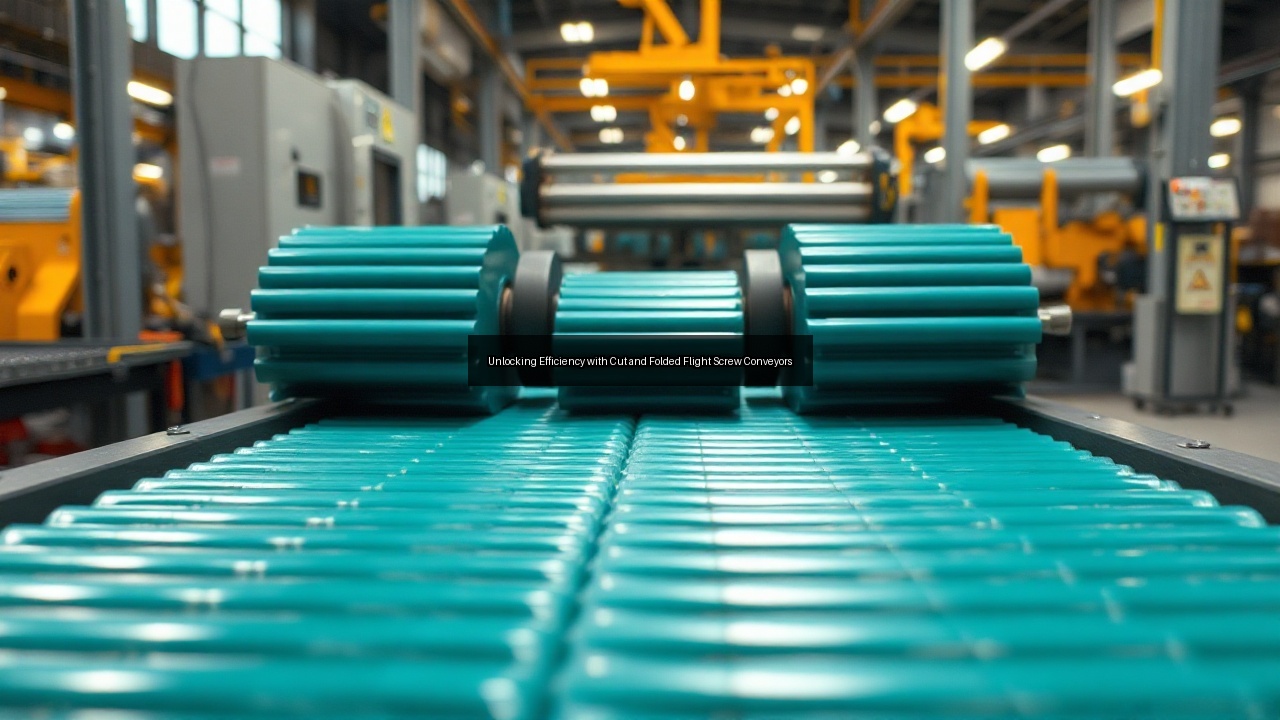
Understanding Cut and Folded Flight Screw Conveyors
Cut and folded flight screw conveyors represent a specialized evolution in conveyor systems, designed to handle bulk materials with precision and reliability. These conveyors feature flights that are cut and folded from flat sheet metal, creating a robust helical structure that excels in various industrial applications. Engineers favor them for their durability and adaptability, especially when dealing with abrasive or sticky substances. By optimizing the flow of materials like grains, powders, or aggregates, cut and folded flight screw conveyors enhance operational efficiency across manufacturing and processing sectors.
What are Cut and Folded Flight Screw Conveyors?
Cut and folded flight screw conveyors consist of a helical screw blade, or flight, formed by cutting and folding sheet metal into a continuous spiral around a central pipe or shaft. This design differs from traditional helicoid screw conveyors, which are rolled from a continuous strip, offering greater strength and customization options. Operators use these conveyors to transport materials horizontally, vertically, or at angles within enclosed troughs, preventing dust and spillage. The cut flight technique allows for precise control over pitch and diameter, making cut and folded screw conveyors ideal for handling varying loads. In practice, they integrate seamlessly into conveyor systems, serving as reliable auger conveyors in tight spaces. Manufacturers produce them in materials like stainless steel or carbon steel to withstand corrosion and wear. Related searches like cut flight screw conveyors and folded screw conveyors highlight their popularity for custom installations. These systems shine in environments requiring consistent material movement without excessive power consumption, positioning them as a go-to resource for efficient bulk handling. Their segmented construction also simplifies repairs, reducing downtime in demanding operations. Overall, cut and folded flight screw conveyors embody practical engineering that balances performance with longevity, ensuring smooth workflows in diverse settings.
Key Components of Screw Conveyors
Screw conveyors rely on several core components to function effectively, starting with the central shaft that provides structural support and rotational power. The helical flight, often cut and folded for added rigidity, wraps around this shaft to push materials forward. End bearings and couplings secure the shaft at both ends, while the trough or casing encloses the assembly to contain the load and protect against external elements. Drive units, typically electric motors, impart the necessary torque, with horsepower ratings tailored to the application's demands. Hangers support longer screw conveyors, preventing sagging in the middle sections. For cut and folded flight screw conveyors, the flight's thickness and folding pattern enhance resistance to deformation under heavy loads. Inlet and outlet ports facilitate material entry and exit, often customized for smooth flow. Seals prevent leakage, maintaining hygiene in food processing or pharmaceutical uses. Paddles or additional attachments can modify standard screw conveyor designs for mixing or breaking up clumps. These elements combine to form robust conveyor systems that handle everything from dry powders to semi-liquid slurries. Understanding these parts helps users select appropriate screw flight configurations, ensuring optimal performance in manufacturing environments where reliability drives productivity.
The Mechanics of Helical Flight Design
Helical flight design in cut and folded flight screw conveyors operates on the principle of Archimedes' screw, where rotation of the spiral blade displaces material along the axis. The cut and folded method creates a uniform helix with sharp inner edges that efficiently scoop and propel substances, minimizing slippage. Pitch, the distance between flight edges, determines conveyance speed—shorter pitches suit vertical lifts, while longer ones excel in horizontal transport. The flight's diameter influences capacity, with larger sizes accommodating bulkier volumes in conveyor systems. During operation, the rotating auger creates a forward thrust, compressing material against the trough wall for positive displacement. This mechanics allows screw conveyors to manage high-moisture content without clogging, a common issue in standard designs. Handedness—left or right—dictates rotation direction, affecting installation layout. Mass distribution in the folded flight ensures balanced operation, reducing vibration and wear on bearings. Engineers calculate these parameters based on material density and flow rate, optimizing for energy efficiency. In flight screw conveyors, the helicoid-like formation provides self-cleaning properties, as residual material flakes off during turns. This design's versatility extends to inclined auger conveyor setups, where gravity assists or challenges the helical push. Mastering these mechanics unlocks superior material handling, making cut and folded flight screw conveyors indispensable in modern industrial processes.
Advantages of Using Cut and Folded Flight Screw Conveyors
Businesses adopt cut and folded flight screw conveyors for their superior performance in demanding conditions, offering a blend of strength, flexibility, and economy. These systems outpace traditional conveyors in durability, especially with irregular or abrasive materials. By streamlining material transfer, they reduce labor costs and boost throughput in production lines. Their adaptability to custom specifications ensures they fit seamlessly into existing conveyor systems, providing long-term value through minimal maintenance needs.
Enhanced Material Handling Efficiency
Cut and folded flight screw conveyors boost material handling efficiency by delivering consistent, controlled movement of bulk goods over long distances. The robust flight structure grips materials firmly, preventing backflow and ensuring steady output in high-volume operations. Unlike ribbon-style flights, the cut and folded design handles sticky or fibrous substances without binding, ideal for industries processing wet feeds. This efficiency translates to faster cycle times, as the helical auger propels loads with minimal energy loss. In screw conveyor applications, operators achieve up to 30% higher throughput compared to standard models, thanks to optimized pitch and clearance. The enclosed trough design contains dust and odors, enhancing workplace safety and compliance with regulations. For varying particle sizes, these conveyors adjust seamlessly, maintaining flow rates without frequent adjustments. Integration with sensors allows real-time monitoring, further refining efficiency. Cut flight screw conveyors excel in metering precise amounts, supporting automated filling lines. Their low-friction surfaces reduce power draw, extending motor life and cutting operational costs. Overall, this enhanced handling capability positions flight conveyors as a cornerstone for efficient resource management in manufacturing and beyond, driving productivity gains that directly impact the bottom line.
Cost-Effectiveness in Manufacturing
Manufacturing teams choose cut and folded flight screw conveyors for their cost-effectiveness, as the production process uses less raw material than seamless helicoid flights, lowering upfront expenses without sacrificing quality. The folded edges provide inherent strength, reducing the need for thicker gauges and extending service life to cut replacement costs. Installation proves straightforward, often requiring no specialized tools, which minimizes labor and downtime during setup. In ongoing operations, these screw conveyors consume less horsepower due to efficient design, slashing energy bills in power-intensive facilities. Maintenance involves simple inspections and occasional lubrication, avoiding the expensive overhauls common in welded alternatives. Customizable lengths and diameters allow precise fits, eliminating wasteful modifications. For small to medium enterprises, cut and folded screw conveyors offer scalable solutions that grow with business needs. Related terms like folded flight screw conveyors underscore their appeal in budget-conscious sectors. By handling diverse materials reliably, they prevent production halts that erode profits. Long-term, the durability against wear translates to fewer parts orders and less scrap, optimizing resource allocation. This economic edge makes them a smart investment for manufacturers seeking reliable conveyor systems that deliver value over time.
Improved Performance with Varying Moisture Content
Cut and folded flight screw conveyors demonstrate superior performance with materials of varying moisture content, as the open-cut design allows drainage and prevents buildup in damp conditions. High-moisture feeds, like wet grains or slurries, flow freely without compacting, unlike closed-flight systems that jam easily. The helical flight's sharp folds create channels for liquid expulsion, maintaining consistent conveyance even in humid environments. This adaptability suits agricultural processing, where seasonal moisture fluctuations challenge standard screw conveyors. Operators report reduced clogging incidents, ensuring uninterrupted runs and higher yields. In low-moisture scenarios, the design's grip prevents dusting, promoting cleaner operations. Adjustable speed controls fine-tune performance, matching the screw conveyor's output to material stickiness. For auger conveyor uses, this feature enhances vertical lifting of moist aggregates, defying gravity with minimal slippage. The stainless steel variants resist corrosion from wet exposures, prolonging lifespan. Cut flight configurations excel in blending dry and wet components, homogenizing mixtures effectively. By addressing moisture-related issues head-on, these flight screw conveyors elevate reliability, reducing waste and rework in moisture-sensitive applications. Their proven track record makes them essential for industries prioritizing consistent handling amid environmental variables.
Applications of Cut and Folded Flight Screw Conveyors

Cut and folded flight screw conveyors find wide applications across industries, from food processing to mining, where they efficiently move bulk materials in confined spaces. Their modular nature supports diverse setups, including inclines and multi-stage systems. These conveyors integrate with other equipment, enhancing overall workflow in automated facilities.
Industrial Uses of Screw Conveyors
Industrial uses of screw conveyors span numerous sectors, with cut and folded flight variants leading in versatility for bulk transfer tasks. Factories deploy them to move powders like cement or flour between mixers and silos, ensuring dust-free transport in enclosed paths. In chemical plants, they handle corrosive granules safely, thanks to resistant coatings on the helical flights. Wastewater treatment facilities utilize auger conveyors to dewater sludge, compacting it for disposal while draining excess liquids. These systems thrive in horizontal, vertical, or angled configurations, adapting to plant layouts without extensive retrofits. Screw conveyor applications include dosing precise volumes into reactors, maintaining quality control in production. The cut and folded design withstands abrasive impacts from minerals or plastics, extending use in recycling operations. Portable versions serve temporary setups on construction sites, conveying aggregates to mixers efficiently. In pharmaceuticals, hygienic screw conveyors meet strict sanitation standards, preventing contamination during ingredient transport. Their ability to operate quietly and with low vibration suits urban industrial zones. By facilitating seamless material flow, these conveyors boost operational speed and safety, making them indispensable tools in modern industry.
Auger and Paddle Configurations
Auger and paddle configurations enhance cut and folded flight screw conveyors, combining helical screws with mixing elements for specialized tasks. Standard auger conveyors focus on straight-line transport, but adding paddles creates a hybrid that stirs materials mid-flight, breaking clumps in cohesive loads. This setup proves vital for blending additives in food or concrete production, ensuring uniform distribution. The paddles, welded at angles to the flight, disrupt flow patterns, promoting thorough agitation without separate equipment. In cut flight screw conveyors, the folded sections integrate paddles seamlessly, maintaining structural integrity under torque. Configurations vary: full-pitch augers for rapid transit, half-pitch for denser materials, and paddle-augers for viscous slurries. These adapt to moisture content challenges, preventing bridging in hoppers. In agricultural settings, paddle-equipped conveyors meter seeds or fertilizers accurately, optimizing planting efficiency. Mining operations use them to transport ore slurries, with paddles aiding dewatering. Custom handedness ensures compatibility with existing conveyor systems. Such versatility expands applications, from batch mixing to continuous processing, delivering multifunctional performance in compact designs.
Specific Industries Benefiting from Flight Conveyors
Specific industries benefit immensely from flight conveyors, particularly cut and folded versions tailored to their unique demands. Agriculture relies on them for elevating harvested crops from fields to storage, handling high-moisture content without damage. In food manufacturing, these screw conveyors transport ingredients like sugar or spices hygienically, complying with FDA guidelines through smooth, crevice-free flights. The plastics industry uses them to feed extruders with pellets, ensuring steady supply for molding processes. Wastewater management employs flight screw conveyors to screen and convey solids, compacting waste for efficient disposal. Mining operations integrate them in underground tunnels, moving ore with minimal space requirements. Pharmaceutical facilities appreciate their gentle handling of delicate powders, avoiding degradation during transfer. In brewing, auger conveyors shift spent grains post-fermentation, streamlining cleanup. These industries gain from the conveyors' durability against abrasives and corrosives, reducing maintenance in harsh environments. Folded flight screw conveyors support just-in-time delivery in automotive parts assembly, feeding lines with metal powders. Their widespread adoption underscores how flight conveyors drive efficiency and innovation across sectors reliant on reliable material movement.
Design Considerations for Cut and Folded Flight Screw Conveyors
Effective design of cut and folded flight screw conveyors demands careful attention to operational parameters, ensuring they meet specific load and environmental needs. Engineers prioritize scalability and safety, incorporating features that enhance longevity and performance in conveyor systems.
Selecting the Right Handedness and Mass
Selecting the right handedness and mass for cut and folded flight screw conveyors involves assessing rotation direction and weight distribution to match application requirements. Right-handed flights rotate clockwise for forward push in standard setups, while left-handed options suit counter-rotating systems or specific layouts. Handedness affects material flow direction, critical for multi-screw arrangements in conveyor systems. Mass considerations focus on flight thickness and shaft diameter, balancing strength against flexibility to avoid excessive vibration. Heavier mass suits abrasive materials, providing durability in mining augers, whereas lighter designs conserve horsepower in gentle handling tasks. Engineers calculate mass based on material density and throughput, ensuring the helical flight withstands torsional stresses. Cut and folded construction allows precise mass tuning by adjusting fold depth, optimizing for energy efficiency. In vertical screw conveyors, proper mass prevents buckling under load. This selection process integrates with overall system dynamics, preventing overloads that could damage bearings. By choosing appropriately, users achieve smooth operation, extending the lifespan of flight screw conveyors in demanding environments.
Determining the Optimal Horsepower
Determining the optimal horsepower for cut and folded flight screw conveyors requires analyzing load capacity, length, and incline to avoid underpowering or excess energy use. Start with material characteristics—density, abrasiveness, and moisture content—influence friction and resistance. Formulas factor in flight pitch and diameter, calculating torque needs for the helical drive. For horizontal runs, horsepower stays low, around 1-5 HP for short distances, but inclines demand more, up to 20 HP for vertical lifts. Cut flight designs reduce required power by minimizing drag, thanks to streamlined folds. Include a safety margin of 15-25% to handle surges, ensuring reliable starts under full load. Variable frequency drives allow dynamic adjustment, optimizing for varying speeds. In auger conveyor systems, monitoring amperage during trials refines estimates. Oversizing risks inefficiency and heat buildup, while undersizing causes stalls. Software tools simulate scenarios, incorporating trough fill levels for accuracy. This methodical approach guarantees that screw conveyors operate at peak efficiency, conserving resources and reducing operational costs in manufacturing.
Inlet and Outlet Design for Efficiency
Inlet and outlet design for efficiency in cut and folded flight screw conveyors focuses on smooth material entry and exit to prevent bottlenecks and wear. Wide, flanged inlets with tapered throats guide bulk flows evenly onto the helical flight, reducing turbulence and overload. For sticky materials, anti-bridging features like vibrators ensure consistent feeding. Outlets feature gated chutes or spouts, sized to match downstream equipment for seamless transfer. In cut flight screw conveyors, the inlet aligns with flight pitch to initiate push immediately, boosting throughput. Materials with high moisture content benefit from screened inlets that drain excess liquid, preventing slips. Outlet elevations adjust for gravity assist in declines, enhancing speed. Seals at connections minimize dust escape, maintaining environmental controls. Custom designs incorporate wear plates in high-impact zones, extending life. Proper alignment with the auger shaft prevents eccentric loading, which could vibrate the system. Testing prototypes verifies flow rates, refining dimensions for specific applications. These considerations elevate overall performance, making inlet and outlet optimizations key to efficient conveyor systems.
Future Technologies in Conveyor Systems
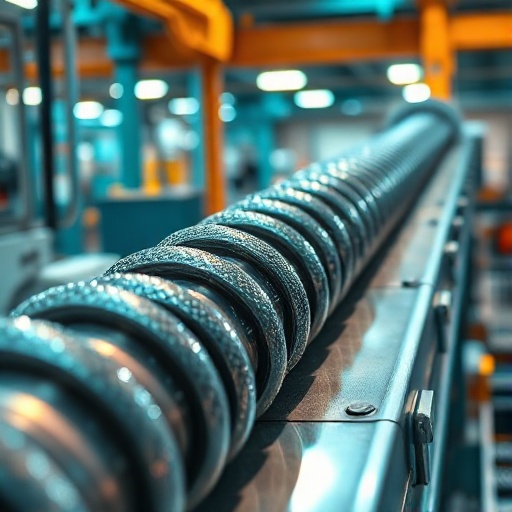
Future technologies in conveyor systems promise smarter, greener operations, with cut and folded flight screw conveyors at the forefront of innovation. Advances in materials and controls will redefine efficiency, integrating seamlessly with Industry 4.0 frameworks.
Innovations in Cut and Folded Screw Conveyors
Innovations in cut and folded screw conveyors include advanced materials like composite alloys that resist wear better than steel, extending intervals between rebuilds. 3D-printed flights enable rapid prototyping of custom helices, accelerating design cycles for unique applications. Self-lubricating bearings reduce maintenance in hard-to-reach auger conveyors. IoT sensors embedded in flights monitor real-time wear, predicting failures via data analytics. Variable-pitch designs adapt dynamically to load changes, optimizing flow in varying moisture content scenarios. Laser-cut precision enhances fold accuracy, minimizing imbalances in high-speed operations. Hybrid configurations blend screw with belt elements for versatile routing in complex plants. These advancements lower energy use by 20%, aligning with efficiency goals. In flight conveyors, modular segments allow quick swaps, cutting downtime. Research into nanomaterials coats surfaces for self-cleaning, ideal for food-grade screw conveyors. Such innovations propel cut and folded flight screw conveyors toward greater reliability and adaptability in evolving industrial landscapes.
Integration with Automation and Smart Technologies
Integration with automation and smart technologies transforms cut and folded flight screw conveyors into intelligent components of conveyor systems. PLC controllers synchronize multiple units, automating speed based on upstream sensors detecting material levels. AI algorithms predict optimal horsepower adjustments, preventing overloads in dynamic environments. Wireless monitoring tracks vibration and temperature, alerting operators to anomalies via apps. Robotic loading at inlets pairs with vision systems to sort inputs, enhancing precision in sorting applications. For auger conveyors, automated cleaning cycles use steam jets triggered by hygiene protocols. Blockchain tracks material provenance through the screw conveyor chain, ensuring compliance in regulated industries. Edge computing processes data locally, reducing latency in high-throughput lines. These integrations boost uptime by 40%, streamlining workflows. In manufacturing, smart flight conveyors link to ERP systems for just-in-time inventory. Paddle configurations gain from servo motors for fine mixing control. This fusion of automation elevates screw conveyors from mechanical tools to pivotal nodes in smart factories.
Sustainability in Conveyor Manufacturing
Sustainability in conveyor manufacturing emphasizes eco-friendly practices for cut and folded flight screw conveyors, starting with recyclable materials like aluminum alloys that cut weight and emissions. Energy-efficient motors with regenerative braking recapture power in inclines, lowering carbon footprints. Water-based coatings replace solvents, reducing VOC releases during production. Modular designs facilitate end-of-life disassembly, promoting reuse over disposal. Manufacturers adopt solar-powered fabrication plants to green the supply chain. For operations, low-moisture handling in these conveyors conserves resources by minimizing drying needs. Lifecycle assessments guide improvements, targeting 50% recycled content in flights. Biodegradable lubricants suit food-grade auger conveyors, avoiding soil contamination. Waste heat from drives warms nearby processes, enhancing efficiency. Certifications like ISO 14001 ensure ethical sourcing of raw metals. In helical flight production, precision cutting wastes less sheet metal, aligning with circular economy principles. These efforts position sustainable conveyor systems as leaders in responsible industrial tech, balancing performance with planetary care.
See Also
- Maximizing Performance with Innovative Cut Flight Screw Technology
- The Impact of Screw Conveyor Handedness on Manufacturing Processes
- The Science Behind Cut and Folded Flights in Screw Conveyors
- Understanding the Role of Helicoid Design in Screw Conveyor Systems
- Future Trends in Screw Conveyor Design and Manufacturing Innovations