Why Temperature Control is Crucial for Your Hydraulic Fluids

The Importance of Temperature Control in Hydraulic Systems
Hydraulic systems power countless machines in industries like mining and engineering, relying on hydraulic oil to transmit force efficiently. Temperature control stands as the cornerstone of system reliability, preventing breakdowns and extending equipment life. Without it, hydraulic fluids degrade, leading to costly repairs and downtime. Engineers prioritize this aspect because even slight variations can disrupt performance across heavy machinery. In demanding environments, such as construction sites or manufacturing plants, maintaining the right temperature ensures smooth operation and safety.
Understanding Hydraulic Fluids and Their Role
Hydraulic fluids serve as the lifeblood of hydraulic systems, enabling the transfer of power through pressurized liquids. These specialized lubricants, often called hydraulic oils, must withstand high pressures while lubricating moving parts and dissipating heat. In machinery like excavators or presses, hydraulic fluid converts mechanical energy into fluid motion, driving pistons and valves with precision. Beyond power transmission, hydraulic oils protect components from wear, corrosion, and oxidation. Selecting the appropriate hydraulic fluid involves considering factors like load capacity and operating conditions in engineering applications. For instance, in mining operations, robust hydraulic lubricants handle abrasive environments, preventing seal failures. Gear oil sometimes complements hydraulic fluids in combined systems, but hydraulic oils dominate for their incompressible nature. Understanding these roles helps operators optimize performance, ensuring hydraulic systems run efficiently without unexpected halts. Contaminants pose risks, yet proper fluid choice mitigates them, highlighting why hydraulic fluids demand careful management in every setup.
Engineers recognize that hydraulic fluids also act as coolants, absorbing and releasing heat to stabilize temperatures. This dual function underscores their importance in preventing overheating, a common issue in high-speed hydraulic machinery. Viscosity plays a key role here, as it determines how well the fluid flows under pressure. In automotive or industrial settings, mismatched hydraulic oils lead to sluggish responses or leaks. Modern formulations include additives that enhance stability, making hydraulic fluids versatile for diverse applications. From small tools to massive hydraulic presses, these oils ensure seamless energy transfer. Operators in fields like agriculture benefit from understanding how hydraulic lubricants reduce friction, boosting overall efficiency. Regular checks on fluid levels maintain this balance, avoiding the pitfalls of degraded performance. Ultimately, grasping the multifaceted role of hydraulic fluids empowers better system design and maintenance, fostering longevity in engineering projects.
How Temperature Affects Hydraulic Oil Performance
Temperature swings dramatically alter hydraulic oil performance, influencing everything from flow rates to component longevity. High heat thins hydraulic oil, reducing its ability to maintain pressure and leading to leaks in seals. Conversely, cold temperatures thicken the fluid, causing sluggish starts and increased pump strain in hydraulic systems. In engineering contexts, such as mining equipment, uncontrolled temperatures accelerate oil oxidation, forming sludge that clogs filters. Hydraulic lubricants perform best within a narrow range, typically 40-60°C, where they provide optimal lubrication and heat dissipation. Exceeding this invites varnish buildup, eroding metal surfaces and shortening machinery life. Temperature also affects the oil's ability to suspend contaminants, potentially worsening wear if not managed. Operators notice efficiency drops in hydraulic fluids under extreme conditions, like summer heat in outdoor applications. Gear oil in auxiliary systems faces similar issues, but hydraulic oils bear the brunt due to their central role. Monitoring tools help detect these changes early, preserving system integrity. By controlling temperature, industries safeguard against downtime, ensuring hydraulic systems deliver consistent power.
Extreme temperatures trigger chemical reactions in hydraulic oil, breaking down additives and compromising lubricity. In high-heat scenarios, thermal degradation produces acids that corrode components, a critical concern in precision engineering. Cold exposure, meanwhile, increases viscosity, forcing pumps to work harder and risking cavitation. Studies show that every 10°C rise above optimal doubles oxidation rates in hydraulic fluids, slashing their lifespan. This impact extends to seals and hoses, which harden or soften unpredictably. In sectors like manufacturing, where hydraulic machinery runs continuously, temperature control prevents these cascading failures. Environmentally friendly options, like biodegradable hydraulic oils, show similar sensitivities, emphasizing universal need for regulation. Practical solutions, such as heat exchangers, mitigate these effects, stabilizing performance. Understanding these dynamics equips technicians to select and maintain hydraulic lubricants effectively, minimizing risks in demanding operations.
The Impact of Oil Viscosity on Hydraulic Fluid Efficiency
Oil viscosity dictates how hydraulic fluids behave under pressure, directly shaping system efficiency and responsiveness. In hydraulic systems, the right viscosity ensures smooth power delivery while minimizing energy loss. Variations disrupt this balance, leading to inefficiencies in machinery from pumps to actuators. Engineers focus on viscosity to match fluids with operational demands, enhancing overall performance. This parameter influences everything from startup ease to high-load handling, making it pivotal for reliable hydraulic oil use.
What is Oil Viscosity?
Oil viscosity measures a fluid's resistance to flow, a fundamental property in hydraulic oils that affects lubrication and pressure transmission. Thinner oils with low viscosity flow easily but may not form a strong film on moving parts, risking metal-to-metal contact. Thicker, high-viscosity oils provide better protection under heavy loads yet can cause drag, reducing efficiency in hydraulic systems. Measured in centistokes (cSt), viscosity grades like ISO VG 32 or 46 guide selections for specific applications. In engineering, understanding viscosity helps predict how hydraulic fluids perform across temperatures. For mining machinery, medium-viscosity hydraulic oils strike the ideal balance, resisting shear while enabling quick responses. Additives modify base oil viscosity, tailoring it for extreme conditions. Gear oil often shares similar viscosity profiles but serves different roles, like in transmissions. Contaminants alter effective viscosity, underscoring the need for clean systems. Operators gauge viscosity through tests, ensuring hydraulic lubricants maintain their protective qualities. This knowledge prevents issues like cavitation or overheating, optimizing fluid efficiency in diverse setups.
Viscosity isn't static; it changes with formulation and use, impacting hydraulic fluid dynamics profoundly. Synthetic hydraulic oils offer stable viscosity over wider ranges, ideal for variable environments. Natural mineral-based oils, common in standard applications, require careful monitoring to avoid degradation. In precision engineering, low-viscosity fluids suit high-speed systems, while high-viscosity ones excel in slow, heavy-duty tasks. This property also influences pump life, as mismatched viscosity accelerates wear. Industries like construction rely on viscosity-matched hydraulic oils to handle dust and impacts without breakdown. Regular analysis detects shifts, allowing timely adjustments. By mastering oil viscosity, teams enhance machinery reliability, cutting maintenance costs and boosting productivity across sectors.
The Relationship Between Temperature and Viscosity
Temperature profoundly influences oil viscosity, with rising heat decreasing it and cold increasing it, altering hydraulic fluid behavior in real-time. At optimal temperatures, hydraulic oils maintain consistent viscosity, ensuring efficient flow and lubrication in systems. However, spikes above 80°C thin the oil excessively, dropping pressure and causing erratic operation in machinery. In colder climates, viscosity surges, making startup difficult and straining components like pumps. This inverse relationship demands temperature control to sustain performance in engineering applications. For hydraulic lubricants in mining, where ambient temperatures vary wildly, stable viscosity prevents failures during critical tasks. Gear oil exhibits similar traits, but hydraulic fluids face higher scrutiny due to pressure demands. Contaminants exacerbate these shifts, thickening or thinning oil unpredictably. Engineers use viscosity-temperature charts to predict outcomes, selecting fluids like multi-grade hydraulic oils for versatility. Heaters and coolers counteract extremes, preserving the delicate balance. Recognizing this link empowers proactive management, extending hydraulic system life and efficiency.
The viscosity-temperature curve varies by oil type, with synthetics showing flatter profiles for better stability. In biodegradable hydraulic fluids, this relationship holds true, though eco-formulations may degrade faster under heat. High temperatures accelerate molecular breakdown, permanently lowering viscosity and inviting wear. Cold-induced thickening forms gels in some oils, blocking lines in hydraulic machinery. Quantitative data reveals a 50% viscosity drop for every 20-30°C rise, highlighting the need for monitoring. Industries address this through blended base stocks, maintaining hydraulic oil integrity. In practice, temperature-viscosity mismatches lead to 20-30% efficiency losses, underscoring control's importance. Advanced sensors track changes, alerting operators to intervene. This interplay defines fluid selection, ensuring hydraulic systems thrive in challenging environments like offshore engineering.
Choosing the Right Viscosity for Your Hydraulic Oils
Selecting the correct viscosity for hydraulic oils involves assessing operating temperatures, system pressures, and application demands to maximize efficiency. Low-viscosity options suit high-speed, low-load hydraulic systems, promoting quick response without excessive energy use. High-viscosity hydraulic fluids excel in heavy-duty scenarios, like mining presses, providing robust film strength against wear. ISO standards guide choices, with VG 46 common for general engineering machinery. Consider temperature extremes: multi-viscosity oils adapt better, reducing the need for seasonal swaps. Biodegradable variants offer similar viscosity ranges, blending sustainability with performance. Test compatibility with seals and components to avoid issues. In gear oil-integrated systems, align viscosities for seamless operation. Experts recommend consulting manufacturer specs and conducting field trials. Proper selection cuts fuel consumption by up to 10%, enhancing hydraulic fluid longevity. Regular viscosity checks post-installation confirm suitability, adjusting as needed for optimal results.
Factors like contaminant levels influence effective viscosity, so pair selection with filtration strategies. For environmentally friendly hydraulic lubricants, viscosity stability under heat remains key, preventing breakdowns in green initiatives. In construction, medium-viscosity oils handle variable loads, balancing protection and flow. Synthetics provide premium choices for extreme temperatures, justifying costs in critical engineering. Avoid over-specifying viscosity, which increases power draw and heat generation. Tools like viscometers aid precise matching, ensuring hydraulic oils perform as intended. This process not only boosts system reliability but also complies with industry regulations, fostering safer operations across sectors.
Contaminants and Their Effects on Hydraulic Fluid Performance
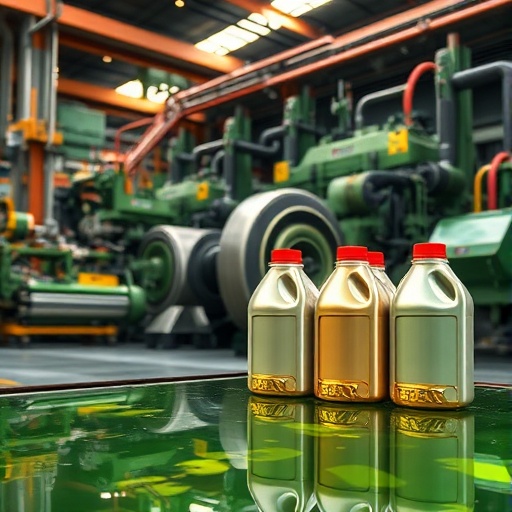
Contaminants infiltrate hydraulic systems easily, degrading fluid performance and accelerating wear on vital components. In hydraulic oils, even trace amounts disrupt lubrication, leading to inefficiency and failures. Engineering teams combat this through rigorous filtration and monitoring, as clean fluids extend machinery life significantly. Addressing contaminants proves essential for maintaining hydraulic fluid integrity in demanding applications.
Common Contaminants in Hydraulic Systems
Water, dirt, and metal particles rank among the most common contaminants in hydraulic systems, entering via seals, breathers, or poor maintenance. Water emulsifies with hydraulic oil, reducing lubricity and promoting rust in components. Airborne dirt, prevalent in mining environments, abrades surfaces, generating more wear debris. Metal shavings from pump gears or cylinders circulate, scoring valves and cylinders. Air bubbles cause cavitation, eroding impellers in hydraulic machinery. Chemical residues from additives or fuels alter fluid properties, hastening oxidation. In engineering setups, improper storage introduces microbes, fostering sludge in hydraulic fluids. Gear oil cross-contamination adds incompatible additives, destabilizing mixtures. These intruders spike operating temperatures, compounding damage. Particle counts exceeding ISO 18/16/13 signal trouble, demanding immediate action. Understanding sources like leaky fittings helps prioritize prevention, safeguarding system performance.
Organic contaminants, such as bacteria in moist conditions, degrade biodegradable hydraulic oils faster. Silicones from seals leach into fluids, forming gels that clog filters. In high-pressure systems, ingress points multiply, amplifying risks. Regular sampling reveals contaminant types, guiding targeted defenses. Industries like manufacturing track these via labs, correlating levels with failures. Cleanliness standards, like NAS 7, set benchmarks for hydraulic lubricants. By identifying common threats, operators implement barriers, preserving hydraulic oil efficacy and reducing downtime costs.
How Temperature Influences Contaminant Behavior
Temperature modulates contaminant behavior in hydraulic fluids, with heat mobilizing particles and cold condensing moisture. Elevated temperatures volatilize water, creating steam pockets that erode surfaces in hydraulic systems. Heat also accelerates chemical reactions, turning benign contaminants into aggressive acids in hydraulic oil. In hot conditions, dirt particles suspend more readily, circulating to damage pumps and valves. Conversely, low temperatures solidify some contaminants, plugging orifices and restricting flow. This dynamic worsens in mining machinery, where dust combines with heat to form abrasive pastes. Biodegradable fluids show heightened sensitivity, as warmth boosts microbial growth. Gear oil contaminants migrate similarly, affecting integrated systems. High heat evaporates lighter oils, concentrating solids and thinning protection. Engineers note that 10°C rises double contaminant mobility, hastening wear. Cooling maintains stability, limiting these effects and protecting hydraulic lubricants.
Thermal cycles exacerbate issues, as expansion-contraction dislodges settled particles. In environmentally friendly options, temperature-driven oxidation amplifies zinc-related contaminants. Quantitative analysis shows contaminant-induced failures rise 40% in uncontrolled temperatures. Sensors detect anomalies, enabling timely filtration. This influence underscores temperature's role in contaminant management, ensuring hydraulic fluids remain effective across operations.
Preventing Contamination in Hydraulic Fluids
Prevent contamination in hydraulic fluids through robust filtration, sealed reservoirs, and routine inspections to keep systems clean and efficient. High-efficiency filters capture particles down to 3 microns, crucial for hydraulic oils in engineering applications. Desiccants in breathers block moisture ingress, vital in humid mining sites. Use dedicated transfer methods to avoid cross-contamination with gear oil or other lubricants. Regular fluid analysis identifies early threats, allowing additive replenishment. Design systems with positive pressure to exclude air and dirt. For biodegradable hydraulic fluids, select compatible components to prevent reactions. Training operators on best practices reduces human-error introductions. Implement kidney-loop filtration for continuous cleaning during operation. These steps extend hydraulic fluid life by 2-3 times, minimizing downtime. Monitor via particle counters, targeting cleanliness classes like ISO 16/14/11.
Advanced seals and quick-connect fittings further isolate contaminants. In high-risk areas, enclosed designs shield against environmental hazards. Cost-benefit analyses justify investments, as clean fluids cut repair bills dramatically. Sustainable practices, like recycling filtered oils, align with eco-goals. By prioritizing prevention, industries sustain hydraulic system performance, enhancing reliability in machinery.
Environmentally Friendly Hydraulic Oils: A Sustainable Choice
Environmentally friendly hydraulic oils gain traction in industries seeking to balance performance with ecological responsibility. These biodegradable alternatives reduce spill impacts while matching traditional hydraulic oils in efficiency. In engineering and mining, they support green initiatives without sacrificing power transmission. Zinc-free formulations address toxicity concerns, promoting safer operations around waterways.
Biodegradable Hydraulic Fluids: What to Know
Biodegradable hydraulic fluids break down naturally in the environment, offering a greener alternative to conventional mineral oils. Derived from vegetable bases or synthetics, they achieve over 60% biodegradation per OECD standards, minimizing long-term soil and water pollution. In hydraulic systems, these fluids provide comparable viscosity and lubricity, suitable for machinery in sensitive areas like forestry. However, they oxidize faster under high temperatures, requiring stricter controls. Additives enhance stability, but users must verify compatibility with seals to avoid swelling. In mining, biodegradable options prevent contamination of groundwater during leaks. Hydraulic lubricants of this type often carry approvals like VDMA for eco-performance. Cost premiums offset through reduced cleanup and regulatory compliance. Operators appreciate their low toxicity, safer for handling. Transitioning involves flushing systems thoroughly to eliminate residues. These fluids align with sustainability goals, proving viable for modern engineering.
Performance data shows biodegradable hydraulic fluids handle pressures up to 400 bar, rivaling standards. Temperature sensitivity demands monitoring, especially in hot climates. Blends with anti-wear agents maintain protection. In agriculture, they support organic certifications. Research highlights their role in circular economies, recyclable post-use. Selecting based on application ensures optimal results, fostering eco-friendly hydraulic practices.
The Role of Zinc in Hydraulic Oil
Zinc compounds, like ZDDP, act as anti-wear additives in hydraulic oil, forming protective films on metal surfaces under pressure. In traditional formulations, zinc enhances load-bearing capacity, crucial for high-stress hydraulic systems. However, it contributes to toxicity, complicating disposal and environmental impact. In mining equipment, zinc-laden oils excel against abrasion but risk aquatic harm if spilled. Modern alternatives reduce zinc for greener profiles without losing efficacy. Hydraulic fluids with balanced zinc levels prevent scoring in pumps and cylinders. Overuse leads to ash deposits, clogging filters. Engineers weigh benefits against regs like EU REACH, favoring low-zinc for sustainability. In gear oil, zinc serves similarly, but hydraulic applications demand precision. Testing confirms zinc's role in extending component life by 50%. Phasing to zinc-free options requires additive substitutes like esters. This evolution supports eco-friendly shifts while maintaining performance.
Zinc's catalytic effect boosts oxidation resistance, yet high levels accelerate sludge in hot oils. In biodegradable hydraulic lubricants, omitting zinc preserves degradability. Industry trends show declining zinc use, with ashless fluids rising. Compatibility checks ensure seamless integration. Understanding zinc's dual role guides informed selections, balancing protection and environmental stewardship in machinery.
Advantages of Using Eco-Friendly Hydraulic Lubricants
Eco-friendly hydraulic lubricants deliver superior environmental protection alongside reliable performance, reducing spill consequences in sensitive operations. Biodegradable formulas degrade quickly, unlike persistent mineral oils, safeguarding ecosystems in mining and engineering sites. They often exhibit better thermal stability, lowering volatility and emissions. Lower toxicity benefits workers, minimizing health risks during maintenance. Regulatory compliance eases certifications for green projects. In hydraulic systems, these lubricants maintain viscosity, ensuring efficient power transfer without efficiency losses. Cost savings emerge from reduced fines and disposal fees. Enhanced lubricity in some eco-options extends equipment life, offsetting initial expenses. For gear oil hybrids, they promote unified sustainability. Operators report easier handling and cleanup. Global standards like Blue Angel endorse their quality. Adopting them supports corporate ESG goals, attracting eco-conscious partners.
In practice, eco-hydraulic lubricants resist water washout better, ideal for wet environments. Their natural base stocks provide inherent biodegradability, no extra additives needed. Studies confirm 20-30% lower environmental footprints. Versatility spans from light-duty tools to heavy machinery. Challenges like higher upfront costs fade with long-term gains. This choice propels industry toward sustainable engineering, harmonizing productivity with planetary health.
Best Practices for Maintaining Optimal Hydraulic Oil Temperature

Maintaining optimal hydraulic oil temperature involves proactive strategies like monitoring and cooling to ensure fluid stability and system longevity. In hydraulic machinery, consistent temperatures prevent viscosity shifts and degradation, vital for engineering reliability. Best practices integrate technology and routine care, minimizing risks in demanding sectors like mining.
Monitoring Temperature in Hydraulic Machinery
Monitor temperature in hydraulic machinery using embedded sensors and gauges to catch deviations early, preserving fluid integrity. Thermocouples at reservoirs and return lines provide real-time data, alerting to spikes above 60°C that signal overloads. Digital dashboards integrate readings, enabling remote oversight in large engineering setups. Log trends to predict patterns, like heat buildup in continuous mining operations. Pair with pressure monitors for comprehensive diagnostics. Infrared thermography scans hotspots non-invasively, ideal for inaccessible components. Set alarms at 50°C thresholds for proactive intervention. In hydraulic systems, accurate monitoring prevents oxidation in oils, extending service intervals. Train staff on interpreting data, fostering a culture of vigilance. Software tools analyze historical data, optimizing load management. This practice reduces failures by 40%, ensuring hydraulic fluids perform consistently.
Advanced systems use IoT for predictive maintenance, forecasting temperature excursions based on usage. In biodegradable variants, tighter monitoring counters sensitivity. Calibration ensures sensor accuracy, avoiding false readings. Integrating with SCADA enhances control in automated plants. Benefits extend to energy savings, as stable temps lower pump strain. Regular audits validate protocols, adapting to seasonal changes. Effective monitoring safeguards machinery, boosting uptime across applications.
Cooling Solutions for Hydraulic Systems
Implement cooling solutions like heat exchangers and fans to dissipate excess heat in hydraulic systems, maintaining oil within ideal ranges. Air-cooled radiators suit compact setups, drawing ambient air over finned tubes to lower temperatures efficiently. Water-based exchangers offer superior cooling for high-heat engineering tasks, circulating coolant to absorb fluid warmth. In mining machinery, forced-air units handle dust-laden environments without clogging. Variable-speed fans adjust to load, optimizing energy use. Accumulator tanks provide buffer cooling during peaks. For hydraulic oils, these solutions prevent thinning, sustaining viscosity and lubrication. Retrofit options upgrade older systems economically. Sizing match to flow rates ensures effectiveness, avoiding undercooling. Maintenance involves fin cleaning and fluid checks. These methods cut downtime, enhancing hydraulic fluid reliability.
Hybrid thermoelectric coolers serve mobile applications, silent and vibration-free. In eco-friendly lubricants, cooling preserves biodegradability by limiting degradation. Simulations aid design, predicting performance under loads. Cost analyses show ROI through reduced wear. Innovations like phase-change materials offer passive cooling. Selecting based on ambient conditions maximizes benefits, supporting sustainable operations in machinery.
Tips for Regular Maintenance of Hydraulic Fluids
Conduct regular maintenance of hydraulic fluids through sampling, filtration changes, and additive checks to sustain performance and temperature stability. Schedule quarterly analyses for contamination and viscosity, using labs for precise results. Flush systems during oil changes to remove residues, especially when switching to biodegradable types. Inspect hoses and seals for leaks that introduce air or water. Use breathers with desiccants to control humidity. Top up with compatible hydraulic oils to maintain levels, avoiding mixing grades. Heat tracing prevents cold starts in winter. Document procedures for traceability in engineering compliance. Train teams on safe handling, reducing errors. These tips extend fluid life by 50%, controlling temperatures indirectly.
For gear oil interfaces, separate maintenance avoids cross-contamination. Monitor oxidation via acid number tests. Eco-lubricants benefit from antioxidant boosts. Inventory management ensures fresh stock. Post-maintenance runs verify stability. Integrating with CMMS streamlines scheduling. This regimen minimizes contaminants, optimizing hydraulic systems for longevity and efficiency.
See Also
- Exploring the Role of Zinc in Hydraulic Oils and Its Benefits
- The Future of Hydraulic Lubricants Eco-Friendly Solutions for Modern Engineering
- Unlocking the Secrets of Hydraulic Oil for Optimal Machinery Performance
- Understanding Oil Viscosity How It Affects Your Hydraulic Systems
- Hydraulic Fluids 101 A Comprehensive Guide for Engineers